LiftMaster vs. Chamberlain vs. Genie: Which Opener Should You Buy?
Three brands own nearly every opener sold in America, and two of them are secretly the same company. Here is the no-fluff breakdown from someone who installs them.
I get this phone call about once a week. A homeowner is standing in the opener aisle, staring at a wall of boxes, and says the same thing every time: which one am I supposed to buy, Chamberlain, LiftMaster, or Genie?
Last month a caller spent forty minutes reading spec sheets before he rang me. Horsepower ratings. Drive types. Something called Security+ 2.0. He was more confused at minute forty than at minute one, and I do not blame him.
So here is the explanation I give on those calls, written down. No sales pitch. No brand loyalty. Just what I have learned from installing and fixing hundreds of these machines: which brands are secretly the same company, where each one wins, and exactly which opener you should buy.
Chamberlain and LiftMaster are built by the same company: Chamberlain is the DIY version at home stores, LiftMaster the pro version through dealers. Genie is the independent third brand and a solid budget pick. For most homes, a mid-range belt-drive opener with Wi-Fi is the sweet spot.
Hold On: Are LiftMaster and Chamberlain Really the Same Company?
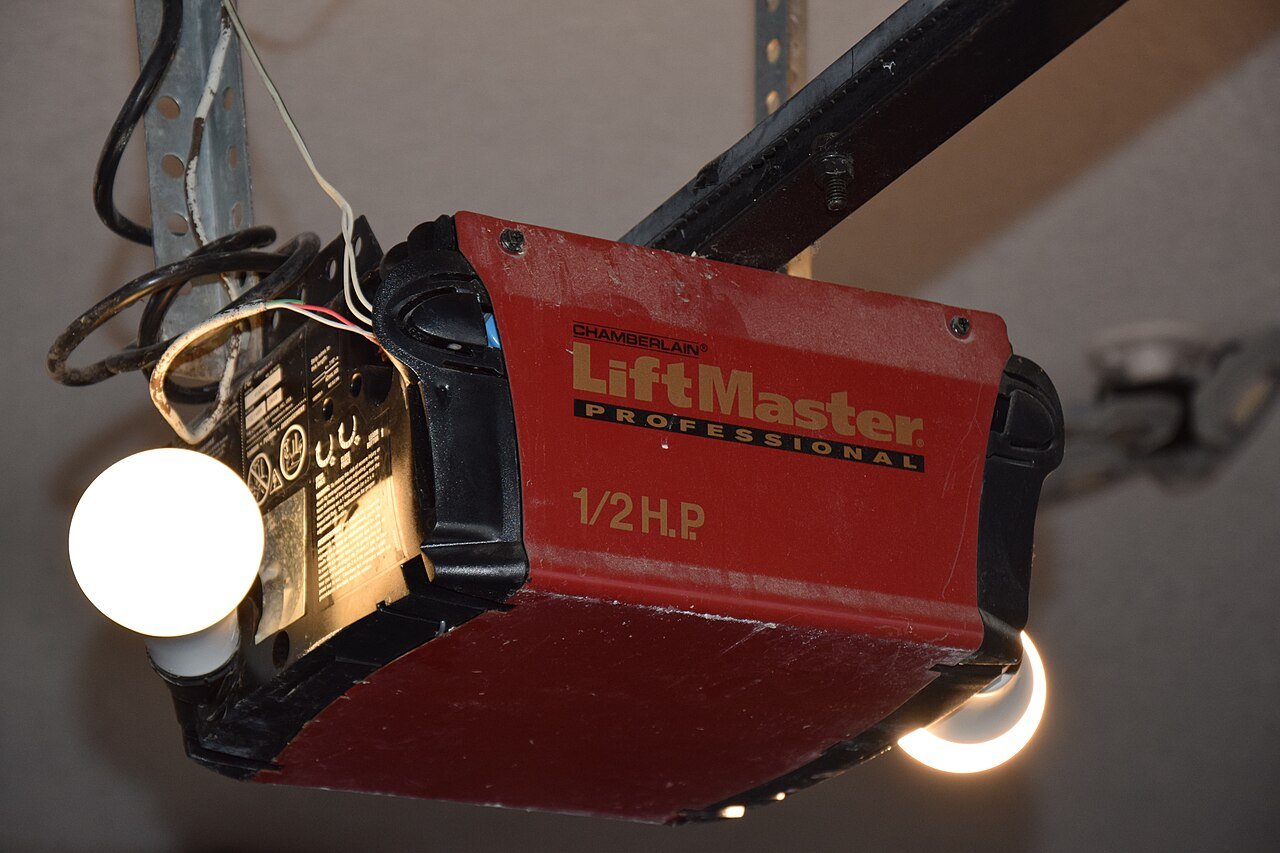
Yes. Both are built by the Chamberlain Group, one parent company with two storefronts. Chamberlain is the retail channel: the boxes at Home Depot, Lowe’s, and Amazon, packaged for do-it-yourself installation.
LiftMaster is the professional channel, sold and installed through dealers. Same core technology under the hood: Security+ 2.0 rolling-code security, the myQ smart platform, and often the same motors and rails wearing different model numbers. The LiftMaster premium buys the dealer channel itself: pro-grade touches, longer warranties, and a real technician to call.
One more badge to know: Craftsman openers are also made by the Chamberlain Group. Same hardware, different label. So when you compare a $249 Chamberlain belt drive against a $400-plus LiftMaster, know that you are looking at cousins, not strangers. The price gap pays for the dealer channel and the warranty, not a different machine.
So Where Does Genie Fit In?
Genie is the genuine third player. It is an independent company owned by the Overhead Door Corporation, and it shares no parts or platforms with the Chamberlain Group. That independence is its whole identity.
Genie’s pitch is value. Its openers typically cost less than comparable Chamberlain models, with solid Intellicode rolling-code security and straightforward installation. The smart platform is Aladdin Connect, covering the basics through a smaller ecosystem than myQ.
The trade-offs: fewer premium models, a smaller app ecosystem, and thinner installer support in some markets. I suggest Genie when budget is the top priority on a standard-weight door.
What Do Those Horsepower Numbers Actually Mean?
A 1/2 HP opener handles a standard single or double steel door without breaking a sweat. Those doors weigh roughly 130 to 200 pounds, which covers most suburban homes built in the last thirty years.
Step up to 3/4 HP for heavier doors: insulated steel, wood overlay, carriage-house styles, or oversized eight-foot doors. The 1.25 HP pro rating is for the heaviest residential doors out there. Modern DC motors also changed the math, with soft start and soft stop for smoother, quieter operation that is easier on every moving part.
The classic mistake: buying horsepower you do not need. A 1.25 HP opener on a standard steel door is money spent on bragging rights.
Belt, Chain, or Jackshaft: Does the Drive Type Matter?
It matters mostly for noise. A belt drive uses a steel-reinforced rubber belt and it is the quietest overhead option. If a bedroom sits above the garage, belt drive is the answer, full stop.
A chain drive uses a metal chain. Louder, cheaper, and perfectly reliable. For a detached garage or rental where nobody hears it, chain drive is the smart-money pick. They have been lifting doors for decades.
A jackshaft, or wall-mount opener, bolts to the wall beside the door instead of hanging from the ceiling. No overhead rail, freed-up ceiling space, very quiet operation. It costs more and needs solid wall space beside the door, so measure before you fall in love.
You will also see screw-drive openers, which I rarely recommend. The lubricant on the screw thickens in cold weather, right when you need the door most. Skip it.
How Good Is the Smart-Home Tech, Really?
The Chamberlain Group runs on myQ: free app control, alerts, schedules, and Amazon Key in-garage delivery. The catch is that some third-party integrations have moved behind paywalls or disappeared, so check current terms before buying for one specific ecosystem.
Genie’s Aladdin Connect covers the same basics through a smaller ecosystem with fewer integrations.
My honest take: buy the opener for the opener, not the app. Would you still be happy with the machine if the app vanished tomorrow? Also check HomeLink compatibility if your car has built-in garage buttons.
What Do the Warranties Actually Cover?
Retail Chamberlain models typically carry three to five year limited parts warranties, with longer motor coverage on premium models. LiftMaster pro models often go further: lifetime motor coverage on premium units. Genie lands in a similar band, commonly five or more years on the motor.
Read the fine print. Electronics and accessories usually get one year across all brands, and warranties cover defects, not damage from a neglected door. An opener run for two years on a failing spring is not a warranty claim. Keep your receipt and register the product.
What Should You Expect to Pay in 2026?
Typical box-store price bands as of 2026 look like this. A basic 1/2 HP chain drive runs $150 to $200. A mid-range belt drive with Wi-Fi runs $230 to $330. A premium belt drive or a jackshaft runs $350 to $500. Those are unit-only prices off the shelf.
Professional installation adds labor, and most homeowners report $400 to $700 all-in for a standard pro-installed replacement. Get the full number in writing before anyone touches a ladder. A quote far outside those bands deserves a question about why.
Which Opener Should You Buy?
Here is my honest recommendation by buyer type. Find yourself on the list:
The budget DIYer with a standard steel door
Chamberlain B-series, chain or belt. Best value per dollar in the industry, and a Saturday DIY install for most homes.
The light sleeper with a bedroom over the garage
Belt drive at minimum, jackshaft if the budget stretches. The LiftMaster jackshaft class is the quietest setup money can buy.
The smart-home enthusiast
Chamberlain Group for the myQ ecosystem, but verify your specific integration still works before you buy. Compatibility lists change.
The set-it-and-forget-it homeowner
LiftMaster through a dealer, professionally installed. You pay more and never think about it again. Rather skip the ladder? Here is why homeowners trust us with the install.
The heavy custom wood door
3/4 HP or higher, professionally installed, no exceptions. A pro should confirm spring balance before any opener goes up on a heavy door.
The rental or detached garage
Genie chain drive. Cheap, simple, reliable. Nobody hears it, nobody babies it, and it does the job for a decade.
What Should You Avoid?
Avoid off-brand openers with no UL 325 listing. That is the American safety standard for door operators, and entrapment protection is not optional. No UL mark on the box, no sale.
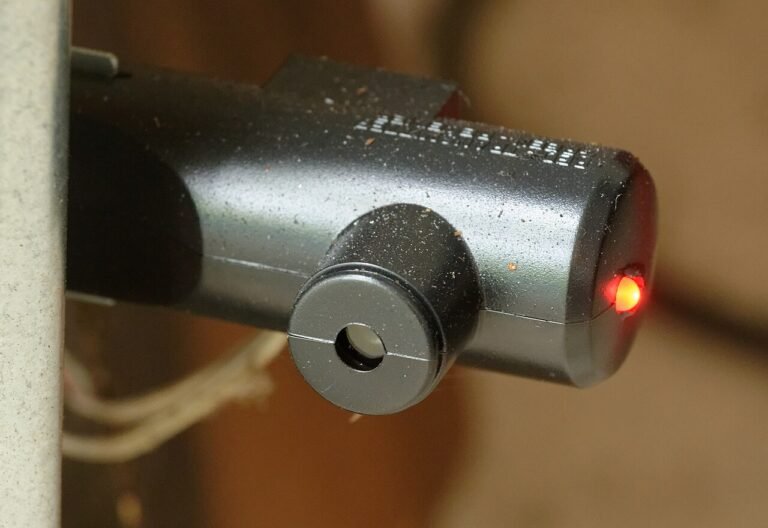
Never reuse your old rail, trolley, and safety sensors with a new opener. Old photo-eyes are the number one cause of mystery reversing on fresh installs.
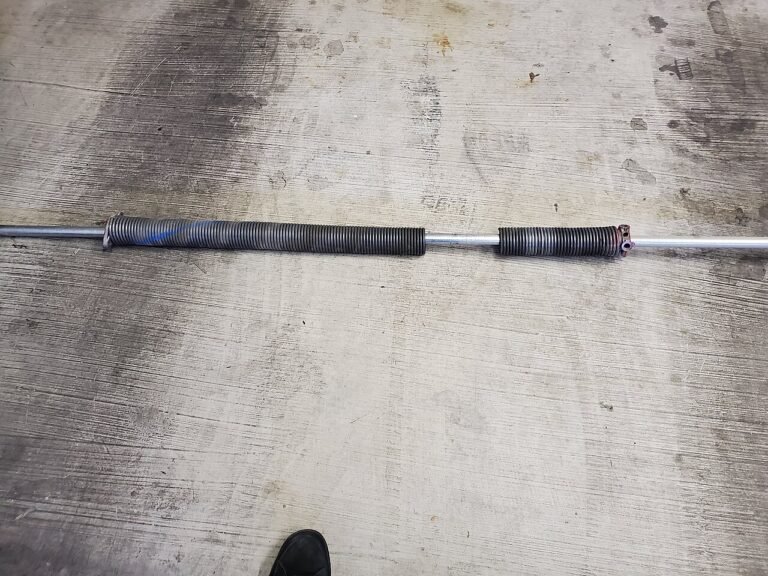
Never install an opener on a door with a broken or weak spring. An opener is not a weightlifter, it guides a balanced door. If your door will not stay halfway open on its own when disconnected, fix the spring first. When that day comes, our garage door repair team in Rochester, NY handles springs and openers in a single visit.
A broken or weak spring needs fixing first — see our garage door spring repair in Rochester, NY.
Side-by-Side Comparison
| Brand | Sold Through | Drive Types | HP Range | Smart Platform | Typical Motor Warranty | Typical DIY Price (2026) | Best For |
|---|---|---|---|---|---|---|---|
| Chamberlain | Home stores, online (DIY) | Chain, belt | 1/2 – 1-1/4 HP | myQ | 3–5 yr limited (varies by model) | $150 – $330 | Best value DIY install |
| LiftMaster | Pro dealers | Chain, belt, jackshaft | 1/2 – 1-1/4 HP | myQ | Up to lifetime motor on premium models | $350 – $550+ (unit only) | Pro install, premium builds |
| Genie | Home stores, online | Chain, belt, screw, wall-mount | 1/2 – 3/4 HP | Aladdin Connect | Commonly 5+ yr motor (varies by model) | $130 – $300 | Budget pick, rentals |
Opener Questions, Answered
Is Chamberlain just a cheaper LiftMaster?
Mostly yes. Same parent company, same core technology, often the same motors and rails. Chamberlain is packaged for DIY retail. LiftMaster adds the pro dealer channel, beefier components, and longer warranties. For a standard door, a Chamberlain gives you roughly 90 percent of the machine for about 60 percent of the price.
Can I install an opener myself, or should I hire a pro?
If you are handy, a standard chain or belt drive is a realistic Saturday project. Plan four to six hours, basic tools, and a second set of hands for lifting the rail assembly. Hire a pro if the door is heavy wood, the ceiling is high, you want a jackshaft, or the door is not balanced. A badly installed opener runs loud and dies young. Here is what a professional installation looks like, step by step.
How long does an opener last?
Ten to fifteen years is typical for a door that stays balanced. Three things kill openers early. Running on an unbalanced door with worn springs, which burns out gears and motors. Stripped drive gears from forcing a stuck door. Power surges frying the logic board. A basic surge protector on the outlet is the cheapest life insurance you can buy for the electronics, and a yearly balance check protects everything else.
Will a 3/4 HP opener lift my heavy wooden door?
Probably, but check the door first. Disconnect the opener and lift the door by hand. If it moves smoothly and stays at the halfway point, the springs are doing their job and 3/4 HP will handle most residential wood doors. If the door will not stay balanced, no opener fixes that. Get the springs sorted first.
Do I need Wi-Fi on my opener?
Need it? No. Nice to have? Absolutely. Phone alerts when the door opens, closing it from anywhere, and package delivery inside the garage are genuinely useful. If you are buying an opener anyway, the Wi-Fi premium is small enough to be worth it. I would not replace a perfectly working opener just to gain Wi-Fi, though. A $40 smart garage controller can add phone control to most existing openers.
Why does my opener work with the wall button but not the remote?
Almost always the remote side of the system. Try reprogramming it, which usually means holding the learn button on the motor unit and pressing the remote. Check your manual for the exact sequence. If every remote dies at once, suspect the logic board receiver. The wall button uses a wired connection, so it bypasses the radio entirely.
Are battery backup openers worth it?
If your area loses power and the garage is your only way in, yes. Battery backup adds roughly $50 to $100 to the price and keeps the opener running through an outage. It is required by law in California and optional everywhere else. One maintenance note people forget: the battery needs replacing every couple of years. A dead backup battery helps nobody, so put it on your maintenance list next to the sensor wipe.
Can I use my old remotes with a new opener?
Sometimes, but do not count on it. Chamberlain Group openers built after 2011 use Security+ 2.0, which does not talk to older remotes. Genie’s Intellicode generations have similar cutoffs between old and new. A universal remote in the $30 to $50 range bridges most gaps and programs to nearly any brand. When you buy the opener, just budget for fresh remotes and keypads. It removes the guesswork entirely.
The Bottom Line
Two of the three big brands are the same company wearing different badges. Chamberlain is the DIY value play, LiftMaster the pro-channel premium pick, and Genie the independent budget option. For most homes, a mid-range belt-drive opener with Wi-Fi hits the sweet spot.
Bought the opener and dreading the install? Or is your current opener making a noise it should not make? Get it installed right the first time: one visit, everything tested, no leftover parts.
An opener making a noise it should not make needs diagnosis — see our garage door opener repair in Rochester, NY.
Opener Trouble? Talk to a Pro
New install, strange noise, or a remote that quit. One call sorts it out.
Call (866) 727-0060