Door Reverses Right After Closing? Diagnose Your Garage Door
It goes all the way down, touches the floor, and pops straight back up. Or it gives up halfway and retreats. Here is how to tell which cause you have, in the order a technician checks them.
The call usually starts with a laugh, because the problem sounds like a prank. A homeowner told me his door had developed a sense of humor. It closed perfectly, kissed the floor, paused for half a second, and then rolled back up like it had changed its mind. He had started parking in the driveway because he could not trust it to stay shut.
His neighbor had the cousin of the same problem. That door made it halfway down, shuddered, and reversed with the opener light flashing. Two doors, same complaint on the phone, completely different causes once I stood in front of them. The first was a travel limit set a fraction too far. The second was a door binding in its tracks.
That is why this guide is organized by where your door reverses. A door that reverses at the floor is telling a different story than one that reverses mid-travel. Read the section that matches your symptom first, and work the checks in order.
The short version
- Reversing at the floor usually means the close limit is set too far, so the opener thinks the door hit something and backs off.
- Reversing mid-travel usually means binding or excess force: a bent track, a dry roller, or a door going out of balance.
- Ice, heaved concrete, and a fat new bottom seal can all fool the opener into reversing at the last inch.
- Flashing opener lights are a code. Count the flashes before you change anything.
- Force and limit settings are small adjustments. A quarter turn at a time, then test.
What Does It Mean When the Door Reverses Right at the Floor?
The opener decides the trip is over using its close limit, a setting that tells it how far the door should travel before stopping. If that limit sits even slightly past the floor, the door keeps pushing after it lands. Pressure builds, the opener reads the resistance as an obstruction, and its safety logic does the only safe thing. It reverses.
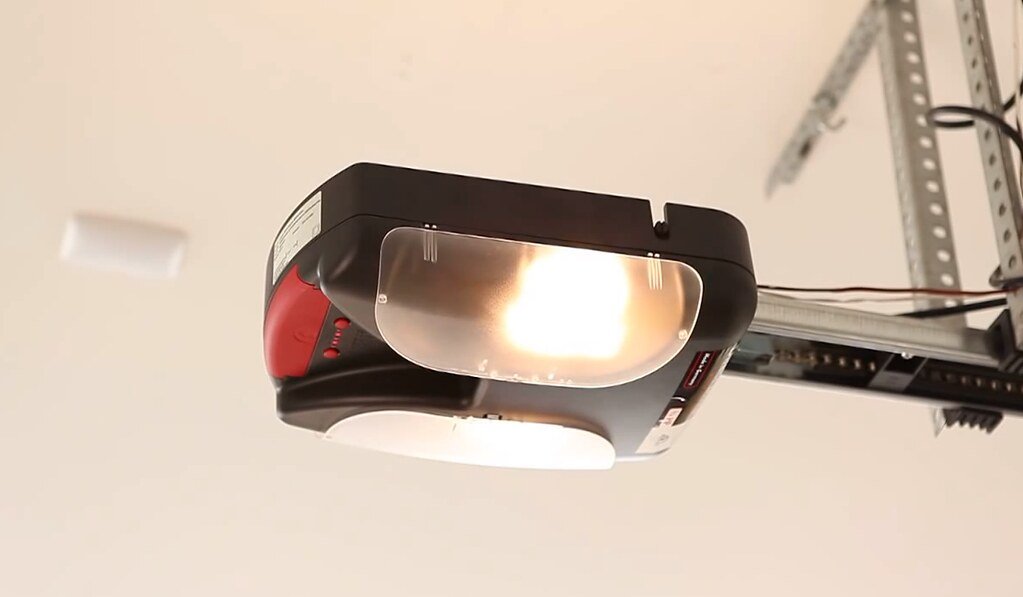
This is the most common cause of the touches-the-floor-and-bounces pattern, and it often appears after an opener replacement, a board swap, or someone “helping” by turning dials. The fix is to back the close limit off in small steps until the door lands, seals, and stays. On many LiftMaster and Chamberlain units that is a dial or a pair of buttons on the motor housing, adjusted in tiny increments with a full test close between each one.
Why Does a Door Reverse Halfway Down Instead?
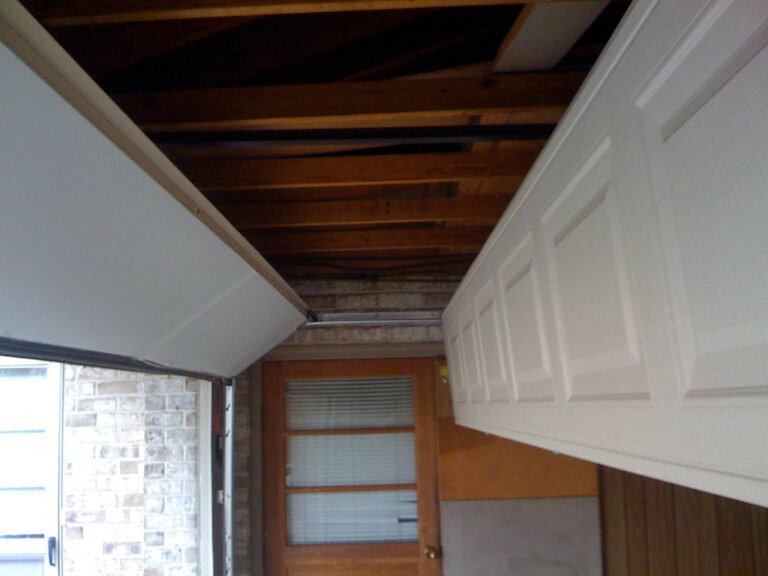
Mid-travel reversing is a force problem. As the door moves, the opener monitors how hard the motor is working. A door that binds in one spot, drags a failing roller, or runs crooked forces the motor past its set limit, and the opener assumes it has hit something solid. It reverses to protect whatever it thinks is underneath.
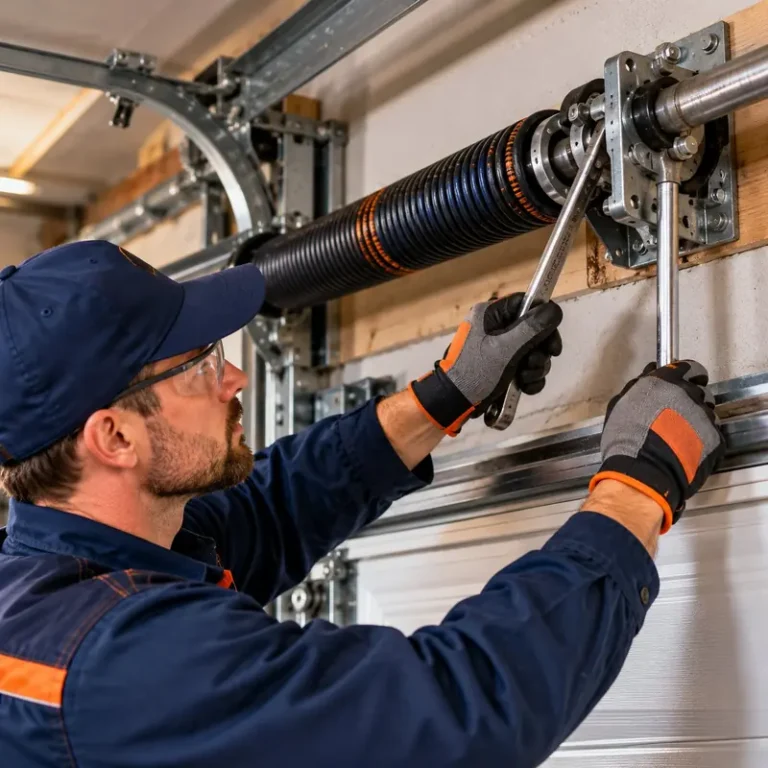
Look for the spot. Binding tends to happen at the same height every time, often where the door rounds the curve of the track or passes a dented section. Pull the release cord and run the door by hand, slowly. You will feel the tight point your opener has been complaining about. Dry hinges, a cracked roller, or a track pinched inward by a bumped bracket are the usual finds. Force settings can mask this for a while, but turning the force up to overpower a bind trades a nuisance for a bent panel later.
Is It the Safety Sensors Again?
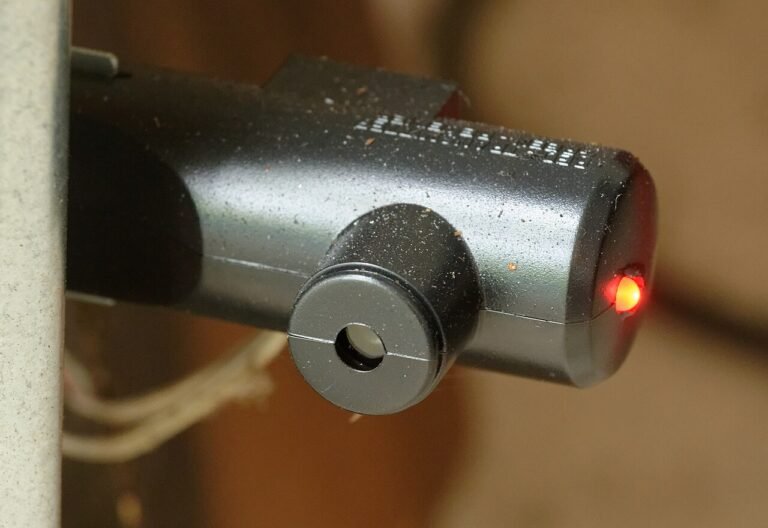
Sometimes, and it deserves one quick check before you touch any settings. The photo-eye sensors near the floor can absolutely reverse a door, usually with the opener lights flashing ten times. A knocked bracket, a cobweb, or low sun flooding the receiver all break the beam’s story. If your opener flashes that pattern, our full sensor troubleshooting guide walks the diagnosis in order.
Here is the distinction that saves time. Sensor reversals can happen anywhere in the travel and come with the flashing light code. Floor reversals from a limit setting happen at the same final inch, every single time, often with no light show at all. Match the pattern to the cause before you start adjusting things.
Could the Floor Itself Be the Problem?
More often than anyone expects. The opener expects the floor to be exactly where it was when the limits were set. Winter in the north does not respect that expectation. Ice builds up along the seal line, frost heaves the concrete a fraction, and suddenly the door lands early and pushes into a floor that has effectively risen to meet it.
Fresh hardware causes the same trick in any season. A new bottom seal is thicker than the flattened old one it replaced, and a new threshold strip raises the landing spot. The door closes onto the new height, the opener senses the early resistance, and up it goes. Before you blame electronics, crouch down and look at the last inch of travel. Clear ice, check the seal, and watch whether the door is landing on something it did not land on last month. DASMA safety guidance backs the same habit. Diagnose the obstruction the opener thinks it sees before overriding the system that protects you.
What Is the Right Order to Check Everything?
Work from the floor upward, cheapest first. One: watch a full close and note exactly where the reversal happens, and count any light flashes. Two: clear the seal line and check for ice, a raised threshold, or anything the door lands on. Three: glance at the sensor lights for a steady beam if the flashes point that way. Four: disconnect the opener and run the door by hand to feel for binding and check the balance.
Five: only now touch settings. Adjust the close limit in small steps if the door reverses at the floor on a clean, free-moving door. Nudge force only if the door moves freely by hand yet still reverses mid-travel. That order is not an accident. It is the same inspection sequence a technician follows on a reversing-door call, and it keeps you from using settings to hide a mechanical problem the door is honestly reporting.
When Does Reversing Mean the Opener Itself Is Failing?
Sometimes the diagnosis ends at the motor unit. A logic board going bad can misread force, forget its limits between cycles, or reverse with no pattern at all. Worn drive gears can slip at the same point in the travel and mimic binding. The tell is inconsistency. A door that reverses anywhere, at random heights, on a track you have verified is clean and true, is probably reporting an opener problem.
Age matters here. An opener well past a decade that has started inventing faults is rarely worth board-level repair money. This is where an honest assessment of repair versus replacement pays for itself, because the wrong call in either direction costs more than the visit. A good technician will show you the failed test, not just describe it.
Reversing Door Questions, Answered
The questions homeowners ask most when the door will not stay down.
The classic cause is a close limit set slightly too far. The door reaches the floor, but the opener keeps driving because its setting says the trip is not finished. Resistance builds instantly, the opener reads it as an obstruction, and its safety system reverses the door. Back the close limit off in small steps, testing a full close after each one, until the door lands, seals, and stays. Check the floor line for ice or a new thick seal first, since both cause the identical trick.
Mid-travel reversal is the opener sensing too much effort at one point in the trip. Something is binding: a dented track, a cracked or dry roller, a crooked door, or springs losing balance. The motor works harder at that spot, crosses its force limit, and reverses as if it had hit something solid. Disconnect the opener and move the door by hand to find the tight point. Fix the bind itself rather than raising the force setting, which only hides the problem while it gets worse.
Find the limit controls on the motor unit. Older openers use two dials or screws, and newer ones use up and down arrow buttons with a set button. Make tiny changes only, a quarter turn or one button press at a time, then run a full close to test. You want the door to land firmly on the floor, compress the seal slightly, and stop without straining or reversing. If small adjustments swing wildly between slamming and reversing, the limit switch or board may be failing.
Yes, in two distinct ways. Ice along the seal line makes the door land early, so the opener pushes into a floor that has effectively risen and reverses on the extra resistance. Cold also stiffens old lubricant and contracts metal, which makes the door drag harder through its travel and can trip the force limit mid-close. Clear the ice first and watch a full cycle. If the reversal survives a clean, thawed floor, the cause is mechanical or a setting, not the weather.
The light is a diagnostic code, and it is worth counting before you change anything. On LiftMaster and Chamberlain openers, ten flashes point at the safety sensors: a blocked beam, a misaligned eye, or a wiring fault. Other counts point toward travel or force faults depending on the model. Write the number down and check it against the chart printed on the motor unit or in the manual. The code tells you which system complained, which turns a guessing session into a short checklist.
The reversing itself is a safety feature working as designed, not a hazard. The hazard appears when owners defeat it, by taping sensors, cranking force to maximum, or holding the wall button to force the door down over a real obstruction. A reversing door is reporting something: a setting, a bind, or an object it can feel that you cannot see yet. Treat the report seriously, find the cause, and the door goes back to being both safe and obedient. Never let convenience talk you into disabling the system.
Absolutely. A track bent inward pinches the rollers as the door passes, and the opener feels that pinch as a spike in effort. Cross the force limit and the door reverses, nearly always at the same height, right at the damage. Cars kissing the track are the usual cause. Run the door by hand with the opener disconnected and you will feel the tight spot clearly. Minor bends are a technician fix involving track alignment, and the door should not be forced through the pinch in the meantime.
A bent track pinching rollers needs a pro — see our garage door off track repair in Rochester, NY.
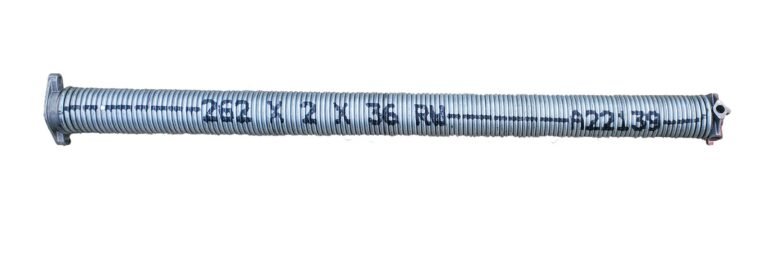
Call when you have cleared the floor line, confirmed the sensors, and run the door smoothly by hand, yet it still reverses. Also call if the reversal point wanders randomly, if limit adjustments behave erratically, or if the door feels heavy or crooked during the hand test. Those patterns point at a failing logic board, worn gears, or spring trouble, and spring work is professional territory. Most homeowners report a diagnostic visit costs far less than replacing an opener that only needed a setting corrected.
Reversal patterns pointing at spring trouble need a pro — see our garage door spring repair in Rochester, NY.
The Bottom Line
Where your door reverses is the diagnosis. At the floor, think close limit, ice, or a seal the opener did not expect. Halfway down, think binding and force. Random and patternless, think opener electronics. Work the checks in that order and most reversing doors are honest again within the hour.
If yours is still staging a protest, get garage door repair across Rochester and let a technician run the same sequence with the right gauges in hand. You can see everything we fix on the homepage, and reversing doors are one of the most common calls on the list.
Door Will Not Stay Down? Get It Fixed Safely
One call. Price before any work starts. We find the real cause instead of cranking the force dial.
Call (866) 727-0060