Is It Worth Repairing a 15-Year-Old Garage Door Opener?
Fifteen years is a full career for a garage door opener. Some old units have one good repair left in them. Most are quietly telling you they are finished. Here is how to tell the difference before you spend another dollar.
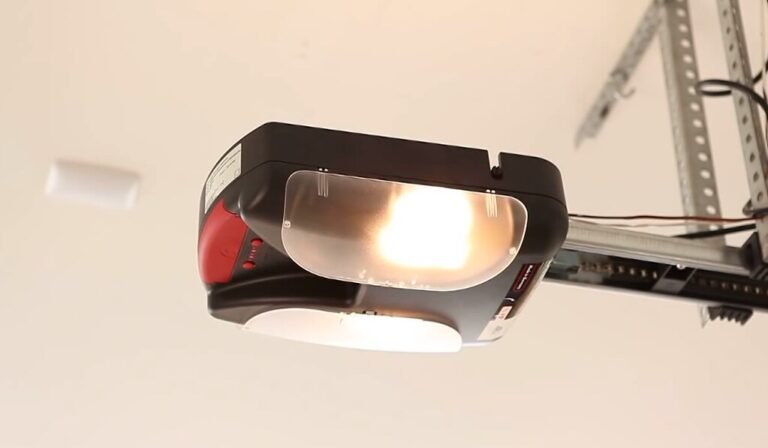
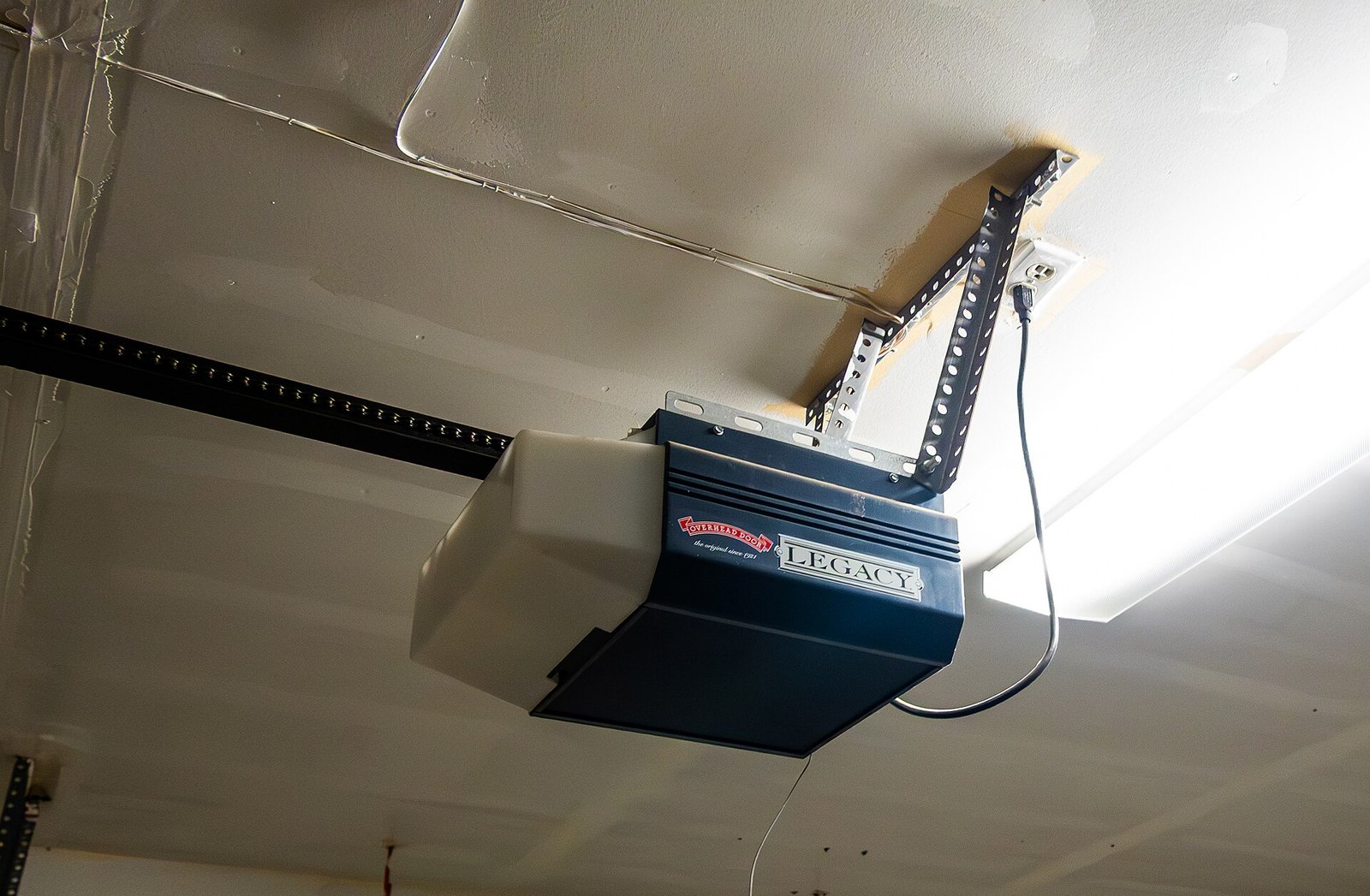
The opener in one customer’s garage had outlived two cars, a water heater, and one roof. It was a chain-drive unit from the early 2010s, and it still ran. Mostly. The remote worked from about ten feet away. The light socket had died years earlier. And every few weeks the door would stop mid-travel, think about it, and reverse for no reason at all.
He had already spent money the way most people do. New remote batteries. Then a new remote. Then a universal keypad from the hardware store. Each fix helped for a month and bought the old machine a little more time. By the time I stood under it with a ladder, he had spent real money avoiding a decision.
Fifteen years is the point where opener repair stops being a clear yes. Some fixes are still cheap and smart. Others are good money poured into a machine at the end of its design life. This guide draws that line honestly, part by part, so you can make the call with numbers instead of hope.
The short version
- Most openers are built for roughly 10 to 15 years of service. At 15, yours is at the finish line, not the halfway mark.
- Still worth fixing: safety sensors, remotes and keypads, and a gear kit on a motor that otherwise runs strong.
- Rarely worth fixing: a failed logic board on a discontinued model, or any repair costing half of a new opener.
- Older openers lack modern alerts, battery backup on most models, and current rolling-code security.
- Always price the repair against a full replacement before you approve anything.
How Long Is an Opener Supposed to Last?
A typical opener serves about 10 to 15 years, depending on use and on the door it pulls. That range assumes a balanced door. An opener guiding a door with weak springs works far harder, and its gears and motor age in dog years. The hardest-working part, the drive gear, is nylon or plastic in most Chamberlain and LiftMaster units, designed as a sacrificial part that wears so the motor does not.
Cycles matter here too. A door running six times a day puts roughly 30,000 trips on a 15-year-old opener. Bearings wear, motor brushes thin out, and the logic board cooks through fifteen summers of garage heat. When several of those wear out together, the failures stop arriving one at a time.
What Still Makes Sense to Fix at 15 Years?
Start with the cheap, honest list. Safety sensors fail on openers of any age, and a replacement pair is a small job. Most homeowners report sensor work landing well under the cost of bigger repairs, and fresh photo-eyes fix the classic door-will-not-close routine. Remotes and keypads are consumables. Replacing them is maintenance, not repair.
The gear and sprocket kit is the borderline case that often deserves a yes. If the motor hums strong, the board behaves, and only the plastic gear has shredded, a gear kit is a modest parts cost and a known fix. Most homeowners report gear repairs in the low hundreds, installed. That buys real time on a unit that is otherwise healthy.
Rule of thumb: fix the parts that wear. Sensors, remotes, and gears wear. Electronics and motors expire.
What Repairs Stop Making Sense on an Old Opener?
The logic board is the big one. The board is the opener’s brain, and on many models from the early 2010s it is discontinued or priced like a collector’s item. When the board dies, the symptoms look haunted. Random reversals, dead remotes, a light that never wakes. Throwing a scarce, pricey board into a 15-year-old motor is rarely smart money.
Stacking repairs is the other trap. A gear kit this year, a board next year, a capacitor after that. Each bill looks reasonable alone. Together they pass the price of a new opener that would have come with fresh everything. If a second major repair appears within a year of the first, stop and price replacement. That is exactly how an honest company should talk you through it, with both numbers on the table.
What Is a 15-Year-Old Opener Missing?
Safety first. Any opener sold in the last three decades carries photo-eye sensors, and yours does too. What older units usually lack is the backup layer. Battery backup was rare on mid-range models back then, so a power outage means a dark garage and a manual lift. There are no phone alerts telling you the door was left open, and no automatic deadbolt lock securing it at night.
Security moved too. Rolling-code systems from that era change the code with every use, which was strong for its time. Current systems like Security+ 2.0 from LiftMaster and Intellicode from Genie use tighter encryption and far more code combinations, plus app monitoring through platforms like myQ. The DASMA opener safety guidance covers why modern entrapment protection and monitoring matter. None of this makes an old opener dangerous overnight. It makes a new one meaningfully better at the jobs you actually care about.
Can You Still Get Parts for It?
Depends on the brand and the part. Gear kits, sensors, remotes, and wall controls for LiftMaster and Chamberlain units are everywhere, because millions were sold. LiftMaster still supports a deep back catalog, and universal remotes cover most receivers built since the late 1990s. Genie parts for common models are similarly easy to find.
Logic boards and model-specific motor parts are where the trail goes cold. Manufacturers discontinue boards as models age out, and the remaining stock climbs in price. A quick test before you spend anything: read the model number on the motor head and search it. If the board shows as discontinued at every supplier, the market has made your decision for you.
What Do the Numbers Say: Repair or Replace?
Most homeowners report paying roughly $400 to $700 all-in for a standard pro-installed replacement opener, with the unit itself running $150 to $350 at retail. Stack the repair quotes against that. A repair under about a quarter of the replacement cost, on a unit with no other symptoms, is reasonable. A repair at half the replacement cost is a donation to an old machine.
When replacement wins, buy once and buy right. Drive type, motor strength, and smart features matter more than brand loyalty, and our honest comparison of LiftMaster, Chamberlain, and Genie breaks down who each brand suits. Most people are surprised to learn that two of the three are built by the same company.
How Do You Reach a Decision in Ten Minutes?
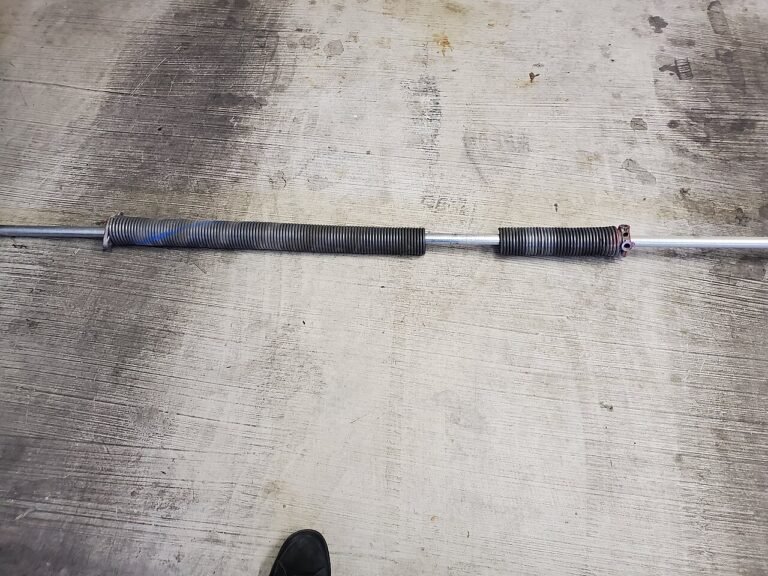
Work this list under the opener with a flashlight. One: does the motor run strong and steady, or does it groan and stall? Two: is the failing part a wear part like a gear or sensor, or is it the board? Three: is that part still sold at a sane price? Four: how does the door balance by hand with the opener disconnected? A bad door murders new openers, so the springs get checked either way.
A door with weak springs needs them fixed first — see our garage door spring repair in Rochester, NY.
Five: what did the last repair cost, and how long ago was it? If the answers point to a healthy motor, a cheap wear part, and a balanced door, repair it without guilt. If two or more answers point the other way, replace it. When you want a second set of eyes, our garage door repair team in Rochester, NY will run the same checklist in your garage and show you both prices before you decide anything.
Old Opener Questions, Answered
The questions homeowners ask when the opener starts acting its age.
Most openers last about 10 to 15 years with normal use. The spread depends on cycles and on the door. An opener guiding a balanced door lives an easy life, while one hauling a door with weak springs wears its gears and motor years early. Heat matters too, since garage summers cook logic boards slowly. At the 15-year mark, plan on the unit being near the end even if it still runs. Budget for replacement so the failure becomes an appointment, not an emergency.
Often, yes, if it is the only problem. The plastic drive gear is a designed wear part on most Chamberlain and LiftMaster units, and a gear and sprocket kit is one of the cheaper opener repairs around. Most homeowners report gear work in the low hundreds, installed. The condition is the rest of the machine. If the motor runs strong, the board responds, and the door balances well, a gear kit buys genuine time. If the board is also flaky, skip the gear and replace the opener.
Intermittent behavior is the classic aging-opener pattern. The usual suspects are a logic board with heat-damaged joints, a remote receiver losing sensitivity, worn limit switches, or a motor capacitor on its way out. Symptoms come and go with temperature, which is why the opener behaves in the morning and quits by afternoon. One flaky part can be worth fixing. Two flaky systems on a 15-year-old unit is the machine telling you the failures have started arriving together, one after another.
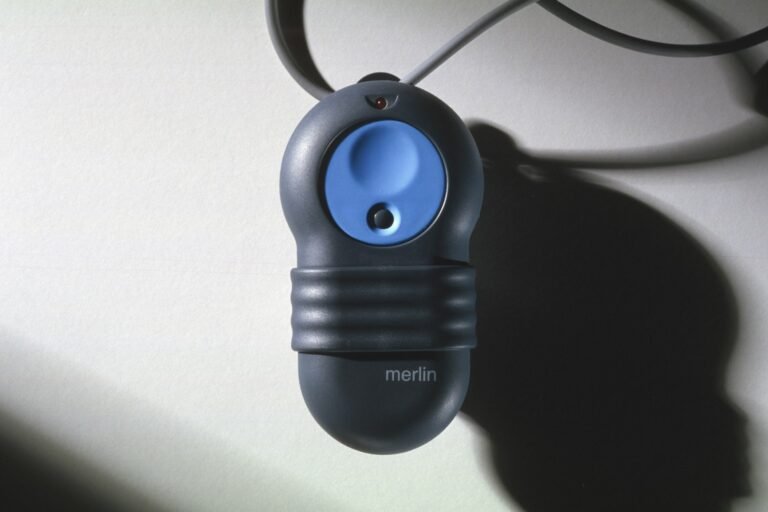
Usually, yes. Universal remotes cover most openers built since the late 1990s, and brand remotes are matched by the color of the learn button and the security system the opener uses. Program it at the motor head, following the steps in the manual. One caution: if a brand-new, correctly matched remote still will not pair, the receiver on the logic board may be dying. That changes the math, because a remote problem is cheap and a board problem ends most repair debates.
Then the decision makes itself. Wear parts like gears and sensors stay available for popular models for years, but logic boards and model-specific motor assemblies get discontinued as a line ages. Remaining stock sells at a premium, and used boards are a gamble with no warranty behind them. Spending scarce-part money on a 15-year-old motor rarely pencils out. Put that budget toward a current model with full parts support, fresh electronics, and remotes you can buy anywhere. It is almost always the cleaner spend.
They meet the standards of their era, and any opener sold since 1993 carries photo-eye sensors that reverse the door on an obstruction. Newer units add layers the old ones lack. Battery backup keeps the door working in an outage, monitoring is smarter, and many models add automatic locks plus phone alerts when the door opens or stays open. An old opener with healthy sensors is not unsafe. A new one is simply safer, more aware, and easier to live with.
Most homeowners report paying roughly $400 to $700 all-in for a standard replacement, including the unit, installation, new sensors, and a remote or two. The unit alone runs about $150 to $350 at retail, with belt-drive and smart models at the top of that range and basic chain drives at the bottom. Heavy doors, tall ceilings, and jackshaft units push the total higher. Get the full installed number in writing before work starts, and make sure the quote includes a door balance test.
Not automatically, but the door gets judged first. An opener is only a guide. The springs do the lifting, and installing a new opener on a door with tired springs just transfers the abuse to a fresh motor and gear. Have the springs, cables, and balance checked, and fix door problems before or during the opener swap. If the door panels and tracks are sound, a new opener on an old door is a perfectly good plan that will serve for years.
The Bottom Line
Fifteen years of service earns an opener respect, not endless repairs. Fix wear parts on a strong motor. Replace the unit when the board, the motor, or the repair total says the machine is done. A modern opener adds battery backup, phone alerts, and current security, and it should only be installed after the door itself balances properly.
You can see how a visit runs, step by step, before booking anything. Or skip ahead and see everything we fix on the homepage, then make the call with real numbers in front of you.
Old Opener? Get an Honest Verdict
One visit. We test the motor, the board, and the door balance, then put the repair price and the replacement price side by side.
Call (866) 727-0060