How Long Do Garage Door Springs Last? Warning Signs They’re Dying
Your springs are on a countdown that started the day they were installed. Here is the math behind that countdown, the warning signs most people miss, and how to replace them on your schedule instead of winter’s.
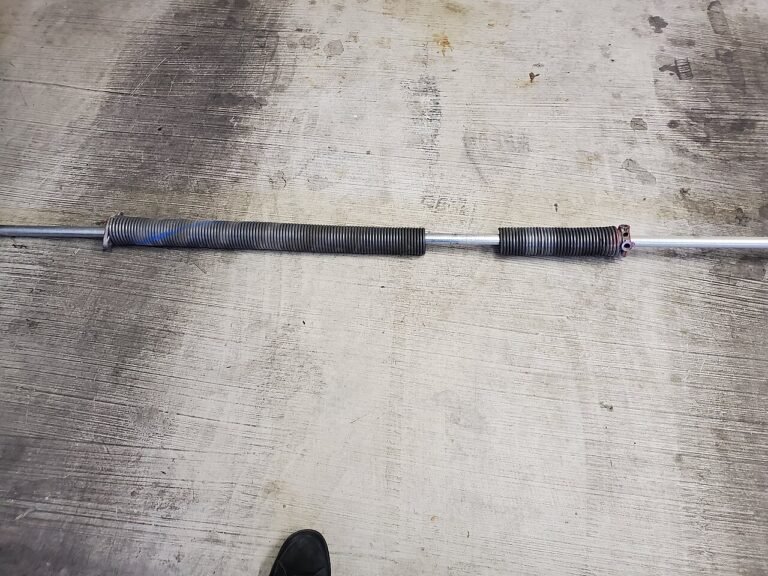
A homeowner I know keeps a photo on his phone. It shows his car inside his garage on Christmas morning, with a visible gap in the spring above the door. The spring had snapped at 7 a.m. sharp, right as the family was loading up to drive to his parents’ house.
He told me later the signs had been there for months. The door had felt heavier since October. The opener had started groaning on cold mornings. He had meant to get it looked at. Then a tired spring picked the worst morning of the year to quit, and the family spent Christmas Day borrowing a neighbor’s car.
Springs almost never die without warning. They die on a schedule you can calculate, and they complain on the way out. This guide does the math in plain words, then walks through every warning sign, so your replacement happens on a Tuesday you chose, not a holiday you did not.
The short version
- Most torsion springs are rated for about 10,000 cycles, which works out to roughly 7 to 10 years in a typical household.
- One cycle is one full open plus one full close. Every trip through the door spends that budget.
- High-cycle springs rated for 20,000 to 25,000 cycles cost more upfront and can double the service life.
- Dying springs warn you first. Rust, stretched coils, a heavier door, and a straining opener all count.
- Replacing springs before the snap means your schedule and your price, with no car trapped inside.
What Does One Cycle Actually Mean?
A cycle is the unit spring makers use to measure a spring’s life. One cycle means the door opens fully and closes fully, one round trip. Every time you leave for work and come home, that is two of them. The springs do not care about the calendar. They care about trips.
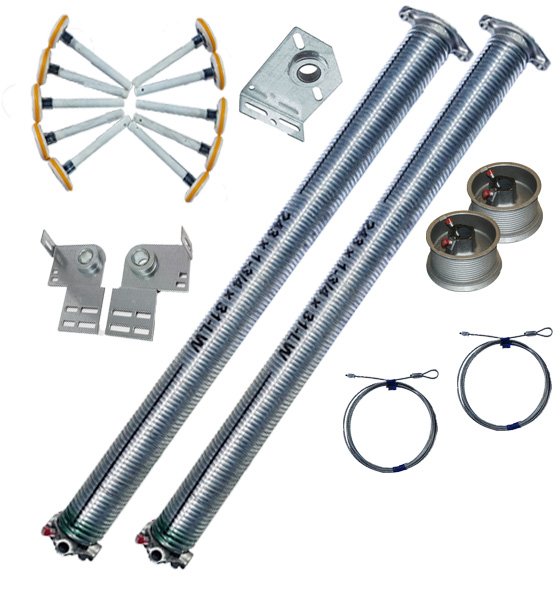
Standard residential torsion springs are wound from wire rated for about 10,000 cycles. Extension springs, the long ones that run along the side tracks, live on the same math. When the counter runs out, the wire has flexed so many times that the metal fatigues. One cold morning it simply lets go, usually with a bang that brings the whole house running.
Think of it like a paperclip. Bend it once and nothing happens. Bend it forty times and it snaps in your fingers. Your springs bend a fraction with every trip, and the count is always running. Makers like Clopay rate springs in cycles for this exact reason.
How Many Cycles Does Your Household Burn in a Day?
Run your own numbers. A door that opens and closes twice a day spends about 730 cycles a year. At that pace, a 10,000-cycle spring lasts close to 13 years. Four cycles a day doubles the burn to about 1,460 cycles a year. Now the same spring reaches its limit in roughly 7 years.
Busy houses burn faster: teenagers coming and going, a work-from-home parent, a garage used as the main entrance. Six cycles a day is not unusual, and that pace eats a standard spring in under 5 years. This is why one neighbor gets 12 years from a spring and the house across the street gets 6. Same spring. Different lives.
What Is the Difference Between Standard and High-Cycle Springs?
High-cycle springs are the same idea with a bigger budget. The wire is thicker, the coil is longer, and the spring works less hard on every lift. Ratings run 20,000 to 25,000 cycles. On a four-cycle-a-day door, that is the difference between replacing springs at year 7 and replacing them at year 14 or beyond.
They cost more, because there is more steel in them. Most homeowners report the upgrade adding roughly $50 to $150 to a standard spring replacement. On a house you plan to stay in, that math usually wins easily. On a house you are selling next spring, standard springs are the honest spend.
When a technician quotes springs, ask for the cycle rating in writing. A quote that will not name it is telling you something. You can read what a spring replacement should actually cost before you call anyone.
What Are the Warning Signs a Spring Is Dying?
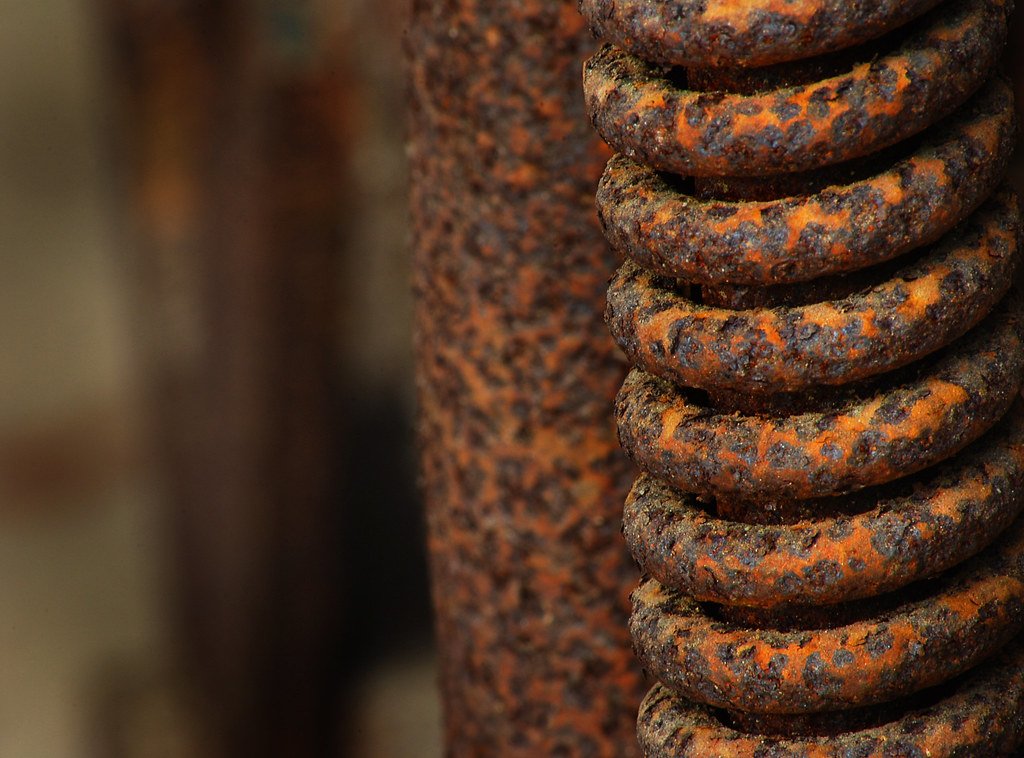
Start with rust. A spring should look like clean, oiled steel. Orange fuzz on the coils means moisture is eating the wire, and every rust pit is a stress point. Next, look at the coil spacing with the door closed. Stretched, uneven gaps between coils mean the spring has lost its shape and its strength.
Then do the balance test. Disconnect the opener with the red release cord and lift the door halfway by hand. A healthy door stays where you leave it and feels light. A dying spring lets the door drift down, and the lift feels like work. The last sign is sound. An opener that strains, slows, or groans is lifting weight the springs should be carrying.
If two or more of those signs show up together, the countdown is nearly over. Do not wind, loosen, or adjust the springs yourself. The DASMA safety guidance is blunt on this point: spring work belongs to trained technicians, because a wound spring stores enough energy to break bones.
Why Does Cold Weather Finish Off Tired Springs?
Cold steel is less forgiving steel. As temperatures drop, spring wire loses a little of its flex and gets more brittle, so a fatigued coil that survived October can crack in January. Metal also contracts slightly, and old lubricant stiffens until the whole system drags.
Around Rochester, the freeze and thaw cycle repeats for months, and every stiff, dragging morning adds strain. Add a door that already needs extra force because its springs are weak, and winter becomes the final exam an old spring was always going to fail.
Should You Replace Springs Before They Actually Break?
My honest take: yes, when the signs line up. A planned replacement is a calm, priced, scheduled visit. A replacement at the worst moment is the same job, with your car trapped and your day wrecked. The parts and labor cost the same either way. The stress does not.
Proactive makes the most sense when the springs are past their expected cycle count, rust is visible, and the balance test fails. Two of those three is enough for me. A good company will show you the rust, run the balance test in front of you, and explain the rating on the new springs. That is what separates a real pro from a call center, and it costs you nothing to expect it. When a tech comes out, see exactly what a proper spring visit includes, start to finish. And if you are tempted to wind a new spring on yourself, read the honest answer on DIY spring replacement before you buy winding bars.
What Happens If You Keep Gambling on Old Springs?
Best case, the spring snaps while the door is closed and nobody is near it. You hear the bang, the car stays inside, and you make a phone call. That is the good outcome, and it still ruins a morning.
Worse cases exist. A door that loses spring support mid-travel can slam down with its full weight. An opener forced to lift a dead door strips its gears or burns out its motor, turning a spring job into a spring plus opener job. That is when people call our garage door repair team in Rochester, NY, usually from the driveway, usually in the cold.
The gamble never pays. The spring costs the same money on your schedule as it does on winter’s.
Spring Lifespan Questions, Answered
The questions homeowners ask when the door starts feeling heavier.
For most homes, about 7 to 10 years. The real measure is cycles, not birthdays. A standard torsion spring is rated near 10,000 cycles, and a household using the door four times a day spends that in roughly 7 years. A quiet house using it twice a day can stretch the same spring past 12 years. If your springs are a decade old and the door feels heavier than it used to, plan the replacement instead of waiting for the bang.
You cannot read the remaining count off the spring, but you can estimate it. Multiply your daily round trips by 365, then by the years since the springs were installed. Four trips a day for six years is about 8,760 cycles, which puts a standard spring near the end. Then confirm with your eyes and hands. Rust, stretched coils, and a door that fails the balance test all say the estimate is right and the budget is nearly spent, with the end close behind.
Look for orange rust blooming on the coils, spacing that has stretched unevenly, and coils that no longer sit tight and uniform. The door talks too. It may shudder on the way up, hang slightly crooked, or feel far heavier when you lift it by hand with the opener disconnected. One warning sign can be a fluke. Rust plus stretch plus a heavy door is a spring telling you, in three languages, that it is done. Do not touch the spring itself. Just make the call.
Yes, with the balance test, and it takes two minutes. Close the door, pull the red emergency release cord to disconnect the opener, and lift the door halfway by hand. A balanced door stays put and lifts with modest effort. If it slams down, shoots up, or feels like dead weight, the springs are weak or broken. Reconnect the opener and stop there. Testing is safe. Adjusting or winding springs is not, because they sit under serious tension even when they look harmless.
In a house you plan to keep for years, usually yes. High-cycle springs rated at 20,000 to 25,000 cycles can roughly double the years between replacements, and most homeowners report the upgrade adding roughly $50 to $150 to the job. The labor is identical, so you are only paying for better steel. In a house you are about to sell, standard springs are the sensible spend. Either way, get the cycle rating of the new springs in writing on the quote.
Cold makes fatigued steel brittle. Spring wire loses flex as temperatures fall, the metal contracts, and old lubricant thickens until the door drags. A spring that was already near its cycle limit faces the hardest pulls of the year on the coldest mornings. That is why garages in cold climates pop springs in January and February. Winter does not damage healthy springs much. It simply grades tired ones, and tired ones fail the test all at once instead of slowly.
Yes, on a two-spring door, every time. Both springs were installed together and have spent the same number of cycles under the same load. When one fatigues and snaps, the other is the same age and close behind it. Replacing only the broken one leaves mismatched tension, extra strain on the new spring, and a second service visit a few months later. The second spring adds modest parts cost while the door is already apart. It is one of the few upsells in this trade that genuinely is not one.
Carefully, and only if you must. With a broken spring, a standard door can weigh 150 to 250 pounds. Two adults can lift it together, but it can slam down hard if it slips, and it must be propped fully open, never trusted. Never run the opener against a broken spring. It will strip gears or burn out the motor. If the car is not trapped, the safest move is to leave the door closed and wait for a technician.
The Bottom Line
Your springs are spending a budget of cycles, and the signs of a low balance show up months before the bang. Count your household’s daily trips, check for rust and stretch, and run the balance test once a year. When the math and the signs agree, replace the pair on a calm day.
If you want the numbers checked, garage door repair across Rochester means a technician can weigh the door, test the balance, and give you a price before any work begins.
Springs Near the End? Replace Them on Your Schedule
One call. Price in writing, matched springs, and a full balance test before we leave.
Call (866) 727-0060