Why Your Garage Door Struggles in Cold Weather (and How to Winter-Proof It)
Every winter, one complaint hides three different problems: the door will not open. A frozen seal, stiff lubricant, or a dying spring. Here is how to tell them apart, and the fall work that prevents all three.
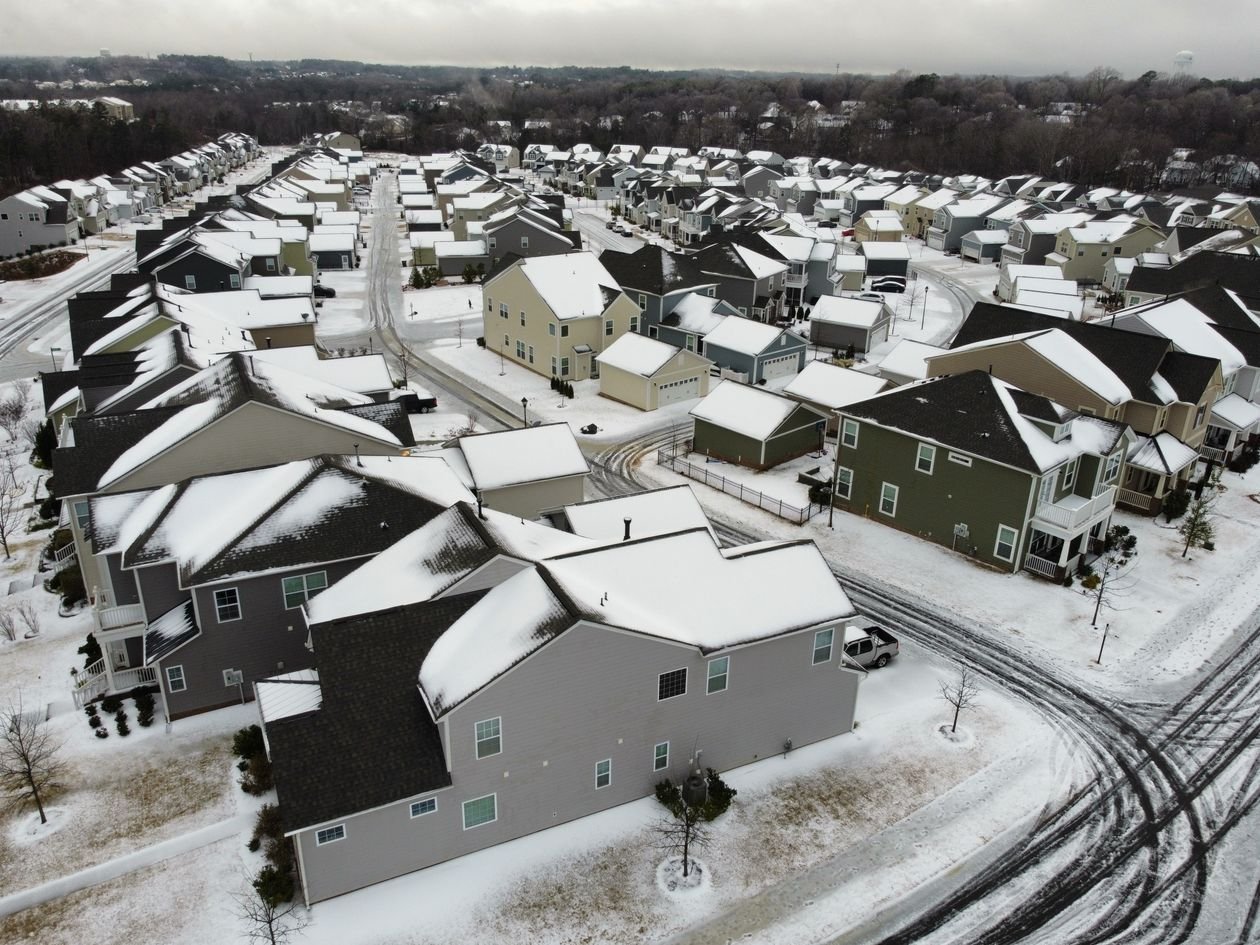
The first hard freeze in Rochester usually lands in November, and it always collects the same toll. Driveways glaze over, the lake effect dusts everything white, and by 7 a.m. half the neighborhood is standing in a cold garage, pressing a remote and listening to an opener groan against a door that will not move.
One neighbor of mine attacked his door with a kettle of boiling water and a metal shovel. He freed the door, eventually. He also cracked a window insert, tore the bottom seal, and left meltwater pooled under the door to refreeze twice as thick the next night. By January he had a whole routine. It never occurred to him the routine was the problem.
Winter door trouble feels mysterious, but it is really three simple problems wearing one disguise. Tell them apart and each one has a calm fix. Better still, an hour of prep in October stops most of them from happening at all. Here is the whole playbook, Rochester edition.
The short version
- Three cold problems hide behind one symptom: a frozen bottom seal, lubricant gone stiff, and springs turning brittle.
- Each problem has a different fix. Forcing the opener against any of them strips gears and burns motors.
- The fall prep list takes about an hour: condition the seal, refresh the lubricant, test the balance, check the threshold.
- Keep a hair dryer, rubbing alcohol, and towels in the garage. Leave the boiling water and the pry bar in the house.
- A door that feels heavy in the cold is warning you about its springs, not complaining about the weather.
Why Does Cold Weather Cause So Many Door Problems?
Because a garage door is a big machine living in an unheated box. Metal contracts as it cools. Rubber stiffens. Water sneaks into every seam during the day and turns to ice at night. Around Rochester, the lake effect keeps that cycle spinning for months: snow, melt, freeze, repeat.
Your opener feels all of it. It was built to guide a balanced door, not to rip a frozen seal off concrete or haul a door whose lubricant has turned to glue. Most winter breakdowns are not the cold breaking healthy parts. They are the cold exposing parts and habits that were already marginal. The three problems below account for nearly every frozen-morning call.
Problem One: Is Your Door Glued to the Concrete?
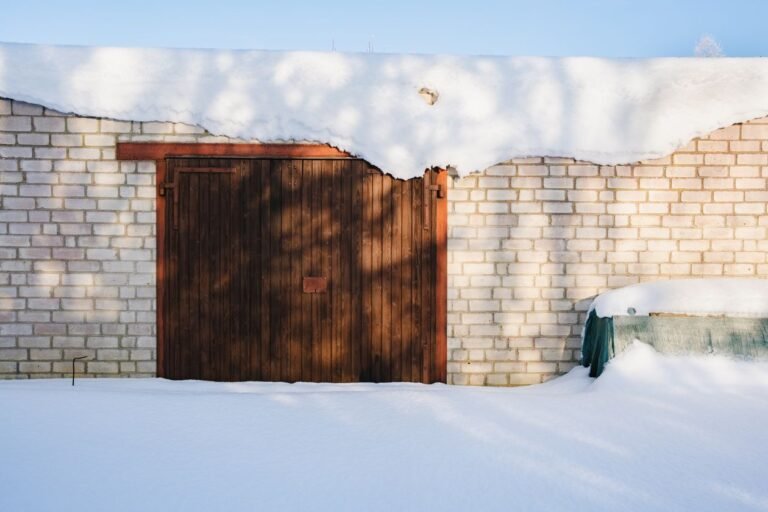
The bottom seal, a rubber strip called an astragal, meets the floor along the door’s whole width. Meltwater pools against it in the afternoon, then freezes overnight and bonds rubber to concrete. In the morning the opener strains against a door that is literally frozen to the ground, rises an inch, and quits.
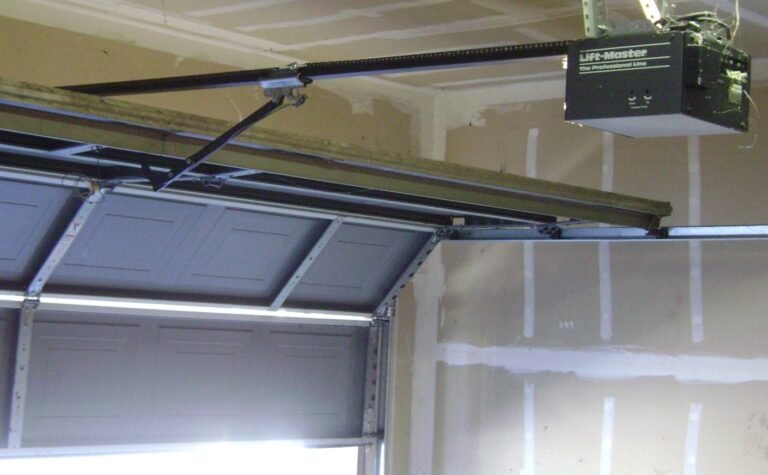
The test is simple. Disconnect the opener with the red cord and lift by hand. A door that breaks free with a crackle of ice and then lifts normally is frozen, nothing more. Thawing it is a patience job with gentle heat, and our full walkthrough on how to open a frozen door without damaging it covers every step. Never keep pressing the button. The opener loses that fight, and its gears pay for it.
Problem Two: Why Does Everything Get Stiff and Loud?
Lubricant thickens as it cools. Old grease that flowed in July turns waxy in January, and rollers, hinges, and spring coils all drag. Doors that were quiet in the fall start squeaking, popping, and groaning, and the opener works harder on every single trip.
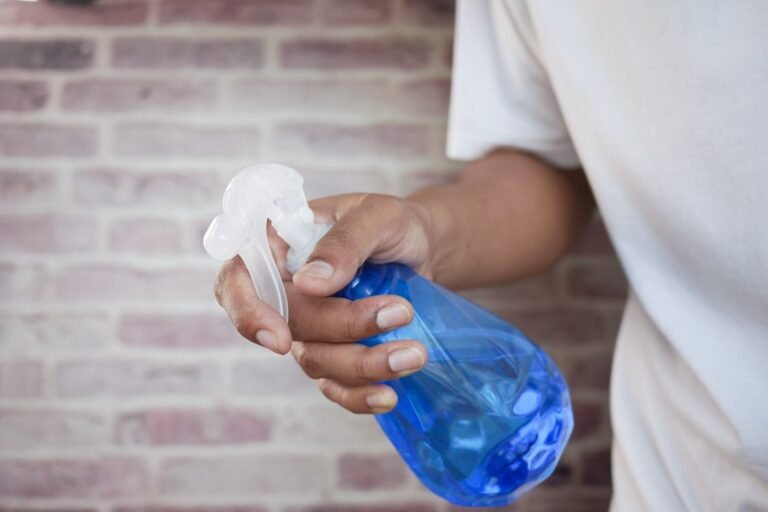
The fix is the right lubricant, applied before the cold sets in. Silicone spray on hinges and roller stems, white lithium grease on spring coils. What never helps is the blue-and-yellow can. WD-40 is a solvent that strips real lubricant and then dries out, which is why we wrote a whole guide on what to spray on your door instead of WD-40. Door makers like Clopay publish the same advice in their maintenance guidance: lubricate the moving hardware, and keep the tracks clean and dry.
Problem Three: Why Do Springs Snap on the Coldest Night?
Spring steel gets brittle as it gets cold. A healthy spring shrugs that off. A spring near the end of its cycle rating, already fatigued from years of flexing, faces its hardest pulls on mornings when the door is heaviest and its own wire is least forgiving.
That is why the bang so often comes in January. The spring did not fail because of one cold night. It failed on the coldest night because that is when the margin ran out. If your door has already started feeling heavier this fall, winter is not going to improve it, and a pre-season inspection costs less than a call in a snowstorm.
What Does a Proper Fall Prep Checklist Look Like?
Do this on a mild October or November afternoon, before the first real freeze. The whole list takes about an hour and needs nothing exotic.
The one-hour fall checklist
- Clean the bottom seal, then coat it with silicone spray. Ice bonds poorly to conditioned rubber.
- Refresh the hardware lubricant with silicone or white lithium, and wipe the tracks clean and dry.
- Run the balance test. Disconnect the opener, lift the door halfway, and confirm it stays put.
- Check the threshold seal on the floor and the weatherstripping on the sides and top for cracks.
- Look at drainage. Water should slope away from the door, not pool against the seal.
- Wipe the sensor lenses and confirm both lights burn steady.
- Swap in fresh remote batteries now, not at 6 a.m. in January.
The DASMA safety guidance backs the hands-off parts of this list: inspect springs and cables with your eyes only, and leave anything under tension to a trained technician.
What Should You Keep in the Garage for a Frozen Morning?
A small kit turns a frozen morning from a crisis into a delay. Keep a hair dryer, or a heat gun with a low setting, for gentle thawing. Keep isopropyl rubbing alcohol, which loosens thin ice along the seal line. Add a plastic scraper, a stack of old towels for drying the seal and the floor, and a flashlight, because this always happens before sunrise.
Leave three things in the house. Boiling water cracks cold glass and refreezes thicker within the hour. Metal shovels and pry bars tear the very seal you are trying to save. Road salt corrodes tracks and hardware and brews exactly the brine that freezes under your door. Sand gives traction without any of that damage.
When Is a Winter Symptom an Actual Repair?
Some winter behavior is weather. Some is a breakdown wearing a winter coat. Call it a repair when the door feels dead heavy by hand, because that is springs. Call it a repair when the opener grinds or clicks after the door is free, because the drive gear likely stripped during the fight. A crooked door, a loose cable, or a door that will not stay up is never a weather problem.
A door dead heavy by hand means springs — see our garage door spring repair in Rochester, NY.
An opener grinding after the door is free needs diagnosis — see our garage door opener repair in Rochester, NY.
A loose cable in winter needs a pro — see our garage door cable repair in Rochester, NY.
A crooked winter door needs a pro — see our garage door off track repair in Rochester, NY.
That is the moment to stop thawing and start dialing. Our garage door repair team in Rochester, NY handles these calls all winter, and every visit follows the same five steps, from inspection to the final safety test, so you know exactly what happens before anyone touches your door.
Cold Weather Questions, Answered
The questions homeowners ask every winter, answered before the freeze.
Three causes account for nearly every case. The bottom seal freezes to the concrete after meltwater pools and refreezes overnight. Lubricant thickens until rollers and hinges drag and the opener hits its force limit. Or a tired spring finally snaps in the cold. Disconnect the opener and lift by hand to sort them out. A door that cracks free and lifts lightly was frozen. A door that feels like dead weight has a spring problem, and that one is a technician call.
Prevention beats thawing. Clean the rubber seal in the fall and coat it with silicone spray, which conditions the rubber and gives ice a slick surface it cannot grip well. Check the threshold seal on the floor for cracks that let water creep underneath, and make sure the driveway slopes so meltwater drains away from the door instead of pooling at the seal. After any thaw, towel the seal and the concrete dry. Water left behind tonight is the ice that traps you tomorrow.
Lukewarm water, carefully, is acceptable. Boiling water is not. Water from a kettle can crack cold window inserts through thermal shock, warp vinyl trim, and blister paint. Worse, the runoff spreads across the driveway and refreezes within the hour, often thicker than the ice you started with. A hair dryer on high, kept moving a few inches from the seal, is slower and far safer. Whichever method frees the door, dry everything immediately so tonight does not repeat the problem.
A silicone-based spray for hinges, roller stems, and bearing plates, and white lithium grease for torsion spring coils and hard-working metal contact points. Both stay effective in the cold better than old general-purpose grease, which stiffens and drags. Skip WD-40 entirely on all door hardware. It is a solvent and water displacer that strips existing lubricant and then evaporates. Keep lubricant out of the tracks themselves. Rollers should roll in clean, dry tracks, not slide on grease that collects grit.
Cold thickens lubricant and contracts metal, so hinges and rollers that were merely dry in the fall start singing in January. Spring coils bind and pop as they flex against each other, and stiff rollers rattle in the tracks. A fresh round of silicone spray on the moving hardware quiets most of it within a few cycles. Noise that survives a proper lubrication pass is different. Grinding, banging, or a single loud crack points at worn rollers or a failing spring, not at the weather.
Resist the urge. Force settings exist to stop the door when it meets resistance, and cranking them up teaches the opener to push through problems it should refuse. A frozen seal or a failing spring then damages the door or strips the gears. If cold mornings trip the force limit, find the real cause first: thaw the seal, refresh the lubricant, and test the door balance by hand. If the door is balanced and free yet still trips, have a technician set the force properly.
Yes, and the pattern is physics, not bad luck. Cold spring wire grows brittle and loses flex, the metal contracts slightly, and stiff lubricant makes the door heavier to lift. A spring near the end of its cycle rating faces its hardest work in its weakest condition. Healthy springs handle winter fine. Tired springs pick the coldest week to quit, which is why a fall balance test matters. A door that already feels heavy in October is giving you fair warning about January.
Call when the door will not lift by hand or will not stay up, because that means springs, and springs sit under serious tension. Call when the opener grinds, clicks, or hums after the door is free, when the door sits crooked, or when a cable hangs loose. Also call when you have thawed the seal, refreshed the lubricant, and the door still misbehaves. At that point you have ruled out weather, and what remains is a repair that needs the right tools.
The Bottom Line
Winter does not invent garage door problems. It reveals them, usually before coffee, usually on a workday. Learn the three cold problems, do the one-hour prep in the fall, and keep the frozen-morning kit where you can reach it in the dark. Your door should shrug off January the way it shrugs off July.
If yours is already struggling, garage door repair across Rochester can get it winter-ready before the next freeze. And here is why homeowners choose us for that visit: pricing discussed before work begins, the right parts on the truck, and a full safety test before we leave.
Get Your Door Winter-Ready Before the Freeze
One fall visit covers the whole checklist: seals, lubricant, balance, and springs. No frozen mornings, no stripped gears.
Call (866) 727-0060