Frozen Shut? How to Open It Without Harming Your Garage Door
Don’t force it — you could snap a spring or strip the opener gears. How to tell a frozen seal from a real breakdown, and the safe way to free a stuck door.
It is 6:40 on a January morning in Rochester. The thermometer on the porch reads minus six. You have coffee in one hand and your keys in the other, and you are already doing the math on how late this makes you.
You press the button. The opener groans. The door shudders, rises about an inch, and stops dead. The opener light blinks at you like it is just as confused as you are.
You press the button again. This time nothing moves except your blood pressure.
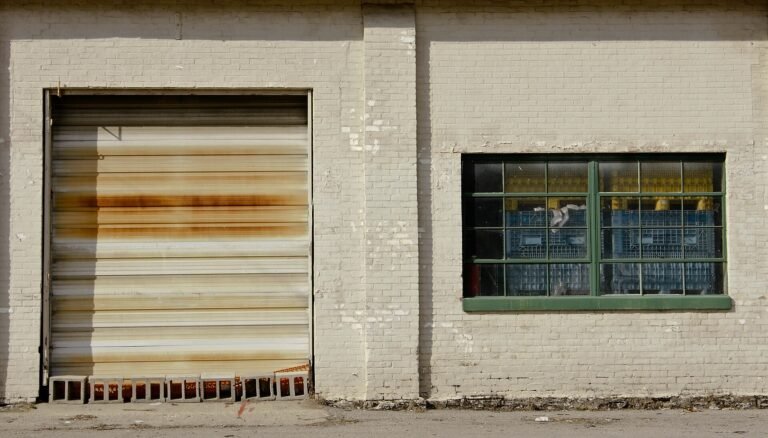
I have watched this scene play out more times than I can count. The door is almost certainly not broken. It is frozen. Meltwater seeped under the rubber bottom seal yesterday afternoon, the temperature crashed overnight, and now your door is glued to the concrete.
Here is the good news. A frozen door is a twenty-minute problem if you handle it right, and a very expensive problem if you handle it wrong. This guide walks you through the right way, step by step.
Why Won’t My Door Open When It’s This Cold?
Three things gang up on you on a bitter morning.
First, the bottom seal. That thick rubber strip along the door’s bottom edge is called an astragal. Afternoon meltwater pools where it meets the concrete, then freezes overnight, and the seal freezes right into the ice. Your opener ends up trying to rip rubber away from concrete, a fight most residential openers cannot win.
Second, the cold stiffens everything. Lubricant thickens, steel contracts, and rollers that glided in October drag in January. A door that was already a little out of balance gets much harder to lift.
Third, springs get brittle. Torsion springs are wound steel under enormous tension, and cold makes steel less forgiving. A spring near the end of its cycle life may pick the coldest night of the year to let go.
Rochester gets the worst of all three. Lake-effect snow melts and refreezes on driveways for weeks, so your seal gets glued down and released over and over all winter.
Is It the Seal, the Spring, or the Opener?
Get a diagnosis before you touch anything. Each problem has a different fix, and this is the same inspection order a technician follows on every visit. You can see the full sequence in our process.
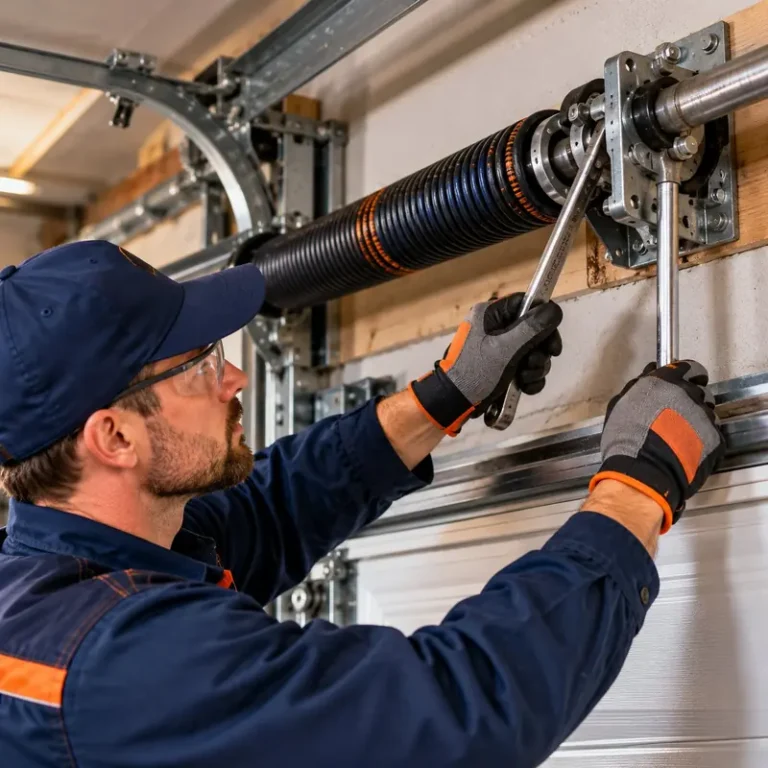
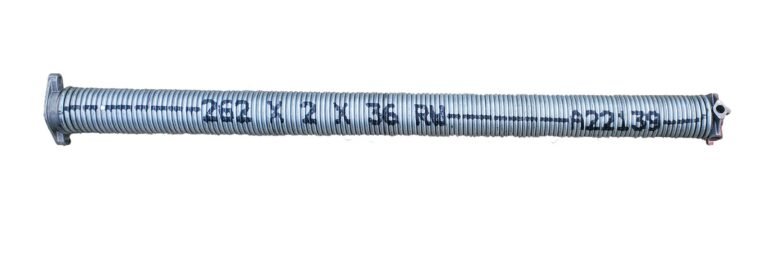
Check the springs on the shaft above the door opening. A visible gap in the coil means a broken torsion spring. Extension springs run along the side tracks. If one hangs stretched like a ruined Slinky, it is done. Either way, stop. A broken spring is not a thawing problem.
No broken springs? Check the bottom of the door for ice bridging the seal and the concrete. That is your culprit nine times out of ten.
No ice either? Listen. A steady hum with no movement means the opener is straining against something. Grinding or clicking from the opener head usually means a stripped drive gear.
What’s the First Thing I Should Do?
Stop pressing the button. Every attempt grinds the opener’s gears against a load they cannot move. Most openers from LiftMaster, Chamberlain, and Genie use a nylon drive gear as a mechanical fuse that strips before the motor burns out. Forcing a frozen door is exactly how that gear dies.
Pull the red emergency release cord on the opener rail until it clicks. Then lift the door by hand from the inside handle. If it rises with normal effort, it is ice and nothing else.
If it feels impossibly heavy, or slams back down when you let go, stop. That is a broken spring, and a door with a broken spring can come down fast enough to hurt you.
How Do I Thaw a Frozen Bottom Seal Safely?
Once the opener is disconnected and the door lifts by hand, work through this sequence. Patience is the technique.
Clear the area
Clear snow from the driveway apron with a plastic shovel so you can see the seal line. Never use metal tools here. One slip tears the rubber.
Apply gentle heat
A hair dryer on high, held a few inches away and kept moving, is the safest option. Work the full width. A heat gun works only on low, never held in one spot.
Rock it free
Lift the door a few inches by hand, let it settle, and lift again. The rocking cracks the ice without tearing the seal. For thin ice, wipe the seal line with isopropyl rubbing alcohol.
Dry everything
Towel the seal and the concrete dry. Skipped water refreezes tonight and you repeat this tomorrow.
Reconnect and test
Pull the cord toward the door to re-engage the opener and run one full cycle while you watch. Smooth and quiet means you are done.
What Should I Never Do to a Frozen Door?
- Do not keep mashing the button. You will strip the drive gear or overheat the motor long before the ice gives up.
- Do not pour boiling water on it. It can crack glass inserts through thermal shock, warp vinyl, and the runoff refreezes thicker within the hour.
- Do not attack it with metal tools. Screwdrivers and pry bars tear the rubber astragal and gouge the bottom panel.
- Do not use a heat gun on high. It blisters paint and melts the seal you are trying to save.
- Do not ignore warning signs. A door that feels dangerously heavy or drops on its own is not frozen. It is broken. Back away.
Can Heat or Hot Water Actually Damage My Door?
Yes, faster than you would expect. Doors from Clopay, Amarr, and Wayne Dalton use layered steel with baked-on paint and vinyl seals. They handle weather beautifully and concentrated heat terribly. A heat gun on high blisters paint in seconds.
The bigger danger is thermal shock on window inserts. Glass sitting at ten degrees does not like 212-degree water hitting one spot. It can crack on contact.
Simple rule: if the heat would hurt your bare hand at that distance, it is too much for the door. Ice always melts eventually. Paint blisters are forever.
How Do I Stop This From Happening Again?
An hour of prevention in October beats a frozen morning in January.
Wipe the bottom seal clean and coat it with silicone spray lubricant. Silicone stops ice from bonding to rubber. Repeat mid-winter. Skip the WD-40. It is a solvent that dries rubber out.
Check the threshold seal on the concrete under the door. If it is cracked or peeling, water runs underneath and freezes there. Replacing it is a cheap afternoon job.
Check drainage. If your driveway apron slopes toward the garage, every thaw sends water to your seal. In Rochester, where lake-effect snow keeps driveways wet into December, this matters. A bag of concrete patch costs less than one emergency visit.
Finally, lubricate rollers, hinges, and springs with silicone or white lithium grease before the cold sets in.
No time for any of this? Our Rochester garage door team handles frozen-door calls all winter, and one pre-winter tune-up covers this whole list.
When Should I Just Call Someone Instead?
Call if the door is too heavy to lift or will not stay up. That signals a spring problem, and torsion springs store enough energy to cause serious injury. No safe home workaround exists for a broken spring.
A broken spring needs a pro — see our garage door spring repair in Rochester, NY.
Call if the opener grinds or clicks after the door is free. The drive gear or circuit board likely took damage fighting the ice.
An opener grinding after thawing needs diagnosis — see our garage door opener repair in Rochester, NY.
Call if the door sits crooked in the tracks or a lift cable hangs loose. Never reseat cables or force a crooked door. The system is under tension.
A loose cable or crooked door needs a pro — see our garage door cable repair in Rochester, NY.
A door sitting crooked in its tracks needs a pro — see our garage door off track repair in Rochester, NY.
And call if you thawed the seal and the door still will not move. You have ruled out ice. Here is what a thorough service visit actually includes, from inspection to final safety test.
Frozen Door Questions, Answered
No. This is the fastest way to turn a free fix into an expensive one. Your opener lifts a balanced door. It was never meant to rip a rubber seal out of solid ice. Repeated attempts overheat the motor and strip the nylon drive gear inside the opener head, the sacrificial part that protects the motor. Once it strips, the opener hums and does nothing. Press the button once. If the door does not move normally, stop and switch to the manual method.
Lukewarm water is fine. Boiling water is not. Water straight from a kettle can crack glass window inserts through thermal shock and warp vinyl trim. Worse, the runoff spreads across the driveway and refreezes within the hour, often thicker than before. If you use water, keep it comfortably warm, pour only along the seal line, lift the door as soon as the bond loosens, and towel everything dry at once. A hair dryer is slower but safer.
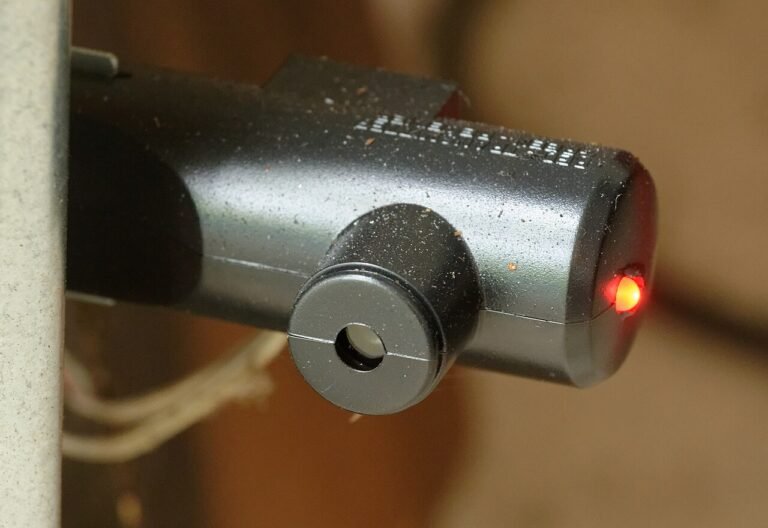
Common after a freeze. The opener may have tripped its force limit while straining against the ice, and some models need the limits reset after an obstruction. More often it is the safety sensors. Ice, condensation, or a bumped bracket knocks the photo eyes out of alignment, and a misaligned sensor makes the door reverse as a safety response. Wipe both lenses, confirm they face each other squarely, and check for a steady light on each one.
No. WD-40 is a solvent and water displacer, not a long-term lubricant, and it degrades rubber over time. Use a silicone-based spray on a clean bottom seal in the fall. Silicone creates a slick barrier that ice struggles to bond to, and it conditions the rubber instead of drying it out. White lithium grease suits metal hardware like hinges and rollers, but the rubber seal wants silicone. Apply in October and touch up in January.
Not necessarily, but winter exposes weak springs. A healthy spring lets you lift a balanced door with one hand. If yours feels dramatically heavier after thawing, or will not stay open alone, the spring has lost tension or nears the end of its cycle life. Cold makes it worse because steel stiffens and lubricant thickens. Most torsion springs are rated for about 10,000 cycles, roughly seven to ten years. If yours are that age and winter is suddenly a struggle, get them inspected.
No magic number. Freezing needs moisture plus cold, not cold alone. A dry door at minus ten opens fine. A wet seal at twenty-eight degrees can freeze solid overnight. The real danger zone is the freeze-thaw cycle: thirties by day melt snow against the seal, twenties at night lock it in ice. That is why doors freeze most in late fall and early spring, not deep winter. Slushy yesterday and clear and cold tonight? Check the seal before bed.
On the driveway, yes. On the door, no. Rock salt and calcium chloride corrode steel tracks, hardware, and the bottom panel, and the salty slush they make is exactly the moisture that refreezes under your seal. For traction in front of the garage, use sand or kitty litter instead. They grip without corroding anything and without brewing a brine that wicks under the door. Sweep whatever you spread clear of the seal line.
Thirty-second test. Pull the red release cord, then lift the door by hand. If it lifts normally, ice was the problem and the opener was just straining. If it will not budge or feels extremely heavy, you have a mechanical failure like a broken spring or seized roller, not ice. If the door moves fine by hand but the opener still only hums when reconnected, the drive gear likely stripped. Straightforward repair, but it needs a technician.
A frozen garage door feels like an emergency, but it is really just winter doing what winter does. Disconnect the opener first. Thaw gently. Dry everything. And spend one October afternoon on prevention so your January mornings stay boring.
If the door fights back or shows any sign of spring trouble, stop and let a professional take it from there. No commute is worth an injury or a wrecked opener.
Door Still Stuck?
Don’t force it and don’t wait for the damage to get worse. One call and we’ll get it moving safely.
Call (866) 727-0060