Belt Drive vs. Chain Drive vs. Jackshaft: An Honest Opener Comparison
Chain is loud, belt is quiet, jackshaft is fancy. That is the sales version. Here is the real version, from someone who installs and repairs all three every week.
A customer of mine replaced a fifteen-year-old chain drive opener last spring and asked the question everyone asks. Should I just get the belt one so it stops waking the baby? Her garage sat under the nursery, so the question was fair. We stood in the driveway and listened to her neighbor’s chain drive run first. She laughed. It was far quieter than the rattling unit in her own garage.
Her old opener was not loud because it had a chain. It was loud because the chain was slack, the rollers were worn steel, and the door itself was out of tune. A modern chain drive on a healthy door is nowhere near the jackhammer people remember.
That is the honest starting point. Drive type matters, but it matters less than the door it is bolted to. Still, the three designs are genuinely different machines with different prices, different strengths, and one of them that many homes should skip entirely.
The short version
- Chain drive: cheapest, toughest, and louder than a belt, though modern units are much quieter than their reputation.
- Belt drive: the quiet pick for attached garages and bedrooms overhead, at a modest price premium.
- Jackshaft: wall-mounted, frees the ceiling, costs the most, and demands a torsion spring door in good shape.
- The door’s own condition drives more noise than the drive type does. Worn rollers beat any belt.
- Most homeowners report unit prices around $150 to $550 depending on type, before installation.
What Is the Actual Difference Between the Three?
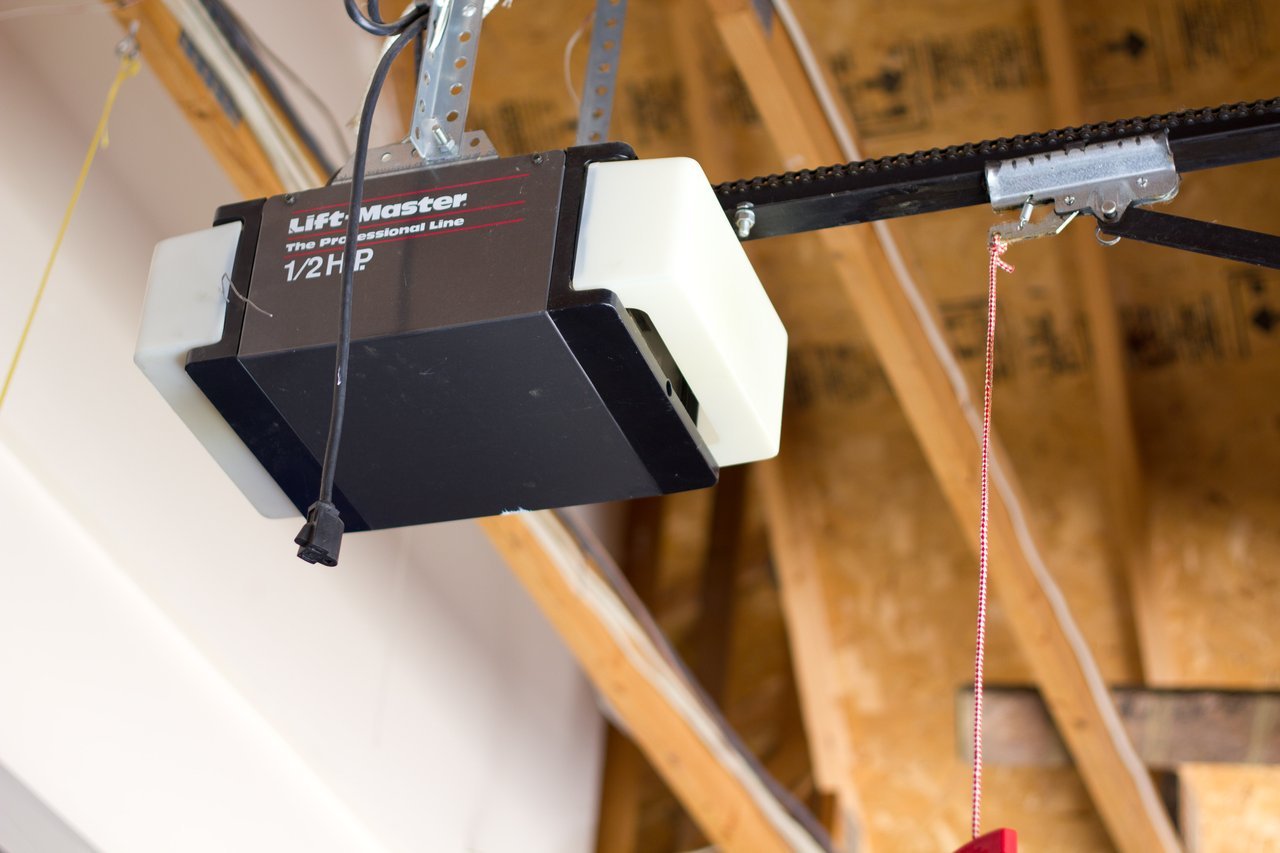
A chain drive pulls the door with a metal chain running along a rail, much like an oversized bicycle chain. It is the oldest design in the business and still the best seller on price. A belt drive does the same job with a steel-reinforced rubber belt instead of the chain. Same rail, same trolley, far less metal-on-metal contact along the way.
A jackshaft is a different animal. It mounts on the wall beside the door and turns the torsion shaft directly, so there is no rail and nothing hanging from the ceiling. Brands like LiftMaster sell them for garages with high ceilings, attic storage, or a car lift. Because it drives the shaft itself, a jackshaft only works with torsion springs, and only when those springs are doing their job properly.
Is Chain Really That Much Louder Than Belt?
Here is my contrarian take, backed by years of standing under both. A belt drive is quieter, yes. But the gap on a modern opener is maybe twenty percent, not the night-and-day difference the brochures sell. The chain drives people remember as deafening were usually old, slack, and dry, pulling doors with worn steel rollers that did most of the screaming.
Motor type plays a part too. A modern DC motor with soft start and soft stop removes the jolt that used to rattle everything. Put a new chain drive on a tuned door and most people cannot tell it apart from a belt from inside the house. Our noise-by-noise guide to loud doors breaks down which sounds come from the opener and which come from the door itself. Read it before you blame the chain.
What Does Each Type Cost?
Chain drives anchor the low end because the design is simple and the parts are cheap. Belt drives add a modest premium for the belt and usually a better motor package. Jackshaft units cost the most, both for the unit itself and for the installation, which involves mounting, wiring, and a door that has to be properly balanced first.
| Drive type | Noise level | Unit price (typical) | Maintenance | Best for |
|---|---|---|---|---|
| Chain drive | Moderate | $150–$250 | Chain lube and tension checks | Detached garages, rentals, tight budgets |
| Belt drive | Quiet | $230–$380 | Almost none | Attached garages, bedrooms overhead |
| Jackshaft | Very quiet | $380–$550 | Low, but springs must stay healthy | High ceilings, ceiling storage, car lifts |
Typical unit prices as of 2026, from homeowner-reported prices. Professional installation is extra and runs higher for jackshaft units.
One warning on the math. A cheap chain drive installed on a worn-out door is not a bargain. It is a loud opener with a short life. Spend on the door first and the drive second.
Which One Lasts Longest and Needs the Least Care?
Chains are nearly indestructible. A chain can stretch and needs its tension checked now and then, plus a light coat of grease, but it will not snap from age the way people fear. Belts do not stretch much, need no lubrication at all, and the rubber does eventually age. Most belts outlast the opener around them, so in real life both designs die of motor or electronics failure long before the drive medium gives up.
Jackshaft units remove the rail and trolley from the wear list entirely, which is a real advantage. Their weakness sits elsewhere. Because the motor turns the shaft directly and relies on cable tension to keep the door tracking, a weak or broken spring turns into an immediate jackshaft problem, with cables jumping off drums. The DASMA guidance is blunt here. No opener should be asked to lift a door the springs cannot balance.
When Does a Jackshaft Make Sense, and When Should You Skip It?
Choose a jackshaft when the ceiling is the point. Vaulted or extra-high ceilings, an attic hatch the rail would block, storage racks overhead, or a lift for a hobby car. In those garages the wall mount is not a luxury. It is the only layout that works, and it runs whisper quiet while it does it.
Skip it when the wall beside the door is cramped, blocked by panels or shelving, or too weak to carry the unit. Skip it on extension spring doors, since it needs a torsion shaft to turn. And skip it when your springs are tired. A jackshaft has no rail to forgive a heavy door, so a door that will not stay halfway up on its own disqualifies itself until the springs are fixed.
So Which Drive Suits Your Garage?
Detached garage, rental property, or a workshop where nobody sleeps nearby? Chain drive, without a second thought. It is the value pick and it shrugs off abuse. Garage under a bedroom or beside a living room? Belt drive. The premium is small and you will hear the difference at six in the morning, which is the only time it ever really mattered.
Still torn between brands once the drive type is settled? Our LiftMaster vs Chamberlain vs Genie comparison covers who builds what and which badge suits which buyer. And remember that a proper install with a full door inspection matters more than the logo on the box. A great opener on a bad door is a bad opener by Friday.
What Do People Get Wrong When They Buy?
The classic mistake is buying horsepower and drive type for a door problem. The opener gets blamed for noise the rollers make, for strain the springs cause, and for slamming the force settings create. Every visit follows the same inspection-first process for exactly this reason. Balance the door, quiet the hardware, then judge the opener on its own merits.
An opener blamed for door noise needs diagnosis — see our garage door opener repair in Rochester, NY.
The second mistake is ignoring the ceiling plan. Homeowners buy a rail opener, then discover the storage rack or attic ladder they wanted cannot fit. Decide what the ceiling is for first.
Opener Drive Questions, Answered
The questions homeowners ask most in the opener aisle.
Yes, but by less than the marketing suggests. A belt removes the metal-on-metal contact along the rail, so it runs smoother and quieter, especially with a DC motor and soft start. A modern chain drive on a tuned door is far quieter than the old units that built the reputation. The honest gap is noticeable in an attached garage at night, and nearly irrelevant in a detached one. Door condition, rollers, and hardware still account for most of the noise either way.
Both usually outlast the opener itself. A chain stretches slowly over the years and needs occasional tension checks and light grease, but it almost never breaks. A belt needs no lubrication and holds its tension well, though the rubber ages and can eventually crack in extreme heat. In real homes, motors, gears, and circuit boards fail first on both designs. Plan on the drive medium being the least of your worries across a typical ten to fifteen year opener life.
Yes. The swap is a standard opener replacement, because belt and chain units share the same basic layout, rail footprint, and mounting points. The new unit goes up, the safety sensors get replaced and aligned, and the remotes get programmed. Most homeowners report paying roughly $400 to $700 all-in for a professionally installed belt drive replacement. It is also the perfect moment to service the door itself, since a quiet new opener deserves quiet rollers, balanced springs, and a door that runs true.
A jackshaft opener mounts on the wall beside the door instead of hanging from the ceiling. It connects directly to the torsion spring shaft and turns it, winding the lift cables to raise the door. With no rail and no overhead motor, the ceiling stays completely clear for storage, lighting, or a vehicle lift. The design runs very quietly and suits high or vaulted ceilings. It only works with torsion spring doors, and it needs solid wall space right next to the opening.
It needs standard torsion springs, but they must be healthy and correctly balanced. A jackshaft turns the shaft directly and depends on proper cable tension to keep the door tracking straight. A weak spring lets cables go slack, and slack cables can jump off their drums and jam the door crooked. There is no rail to hide a heavy door the way a ceiling opener partly can. If your door will not stay halfway up by hand, fix the springs before a jackshaft goes on.
Slack cables that jump their drums need a pro — see our garage door cable repair in Rochester, NY.
A belt drive with a DC motor is the standard answer, and a jackshaft is even quieter if the layout allows one. Both avoid the chain rattle that travels through framing into the room above. Just as important is the door itself. Nylon rollers, snug hardware, and balanced springs remove the thumps and groans that actually carry through a house. Pair a belt drive with a basic door tune-up and most families stop hearing the early morning departure entirely. That quiet is the whole point of the upgrade.
Generally, yes. The units cost more to buy, and their parts and boards are pricier and less universal than the common rail openers every technician stocks. Repairs also tend to involve the shaft, drums, and cable tension, which takes a technician comfortable with the design. None of that makes a jackshaft a bad buy. It means the purchase should be driven by a real ceiling need, not novelty. Bought for the right garage, owners tend to love them for decades.
Start by questioning the premise. A properly balanced door is not heavy, because the springs carry the weight and the opener only guides it. Any of the three drives handles a balanced residential door, including wood and insulated models, with the right horsepower rating. A door that feels heavy has a spring problem, and no drive type fixes that. Sort the balance first. Then choose the drive for noise, ceiling needs, and budget, in that order. Weight alone should never pick your drive type.
A heavy door means weak springs — see our garage door spring repair in Rochester, NY.
The Bottom Line
Chain is the tough value pick, belt is the quiet everyday pick, and jackshaft is the specialist for garages where the ceiling matters. The differences are real but smaller than the sales pitch, and all three lose to a neglected door. Tune the door first, then buy the drive that fits your layout.
Not sure which way your garage points? Get our garage door repair team in Rochester, NY to inspect the door and measure the space before you spend a dollar. You can see everything we fix on the homepage, including opener installs done the inspection-first way.
Choosing an Opener? Get the Door Checked First
One call. Price before any work starts. The right drive for your garage, not the most expensive one.
Call (866) 727-0060